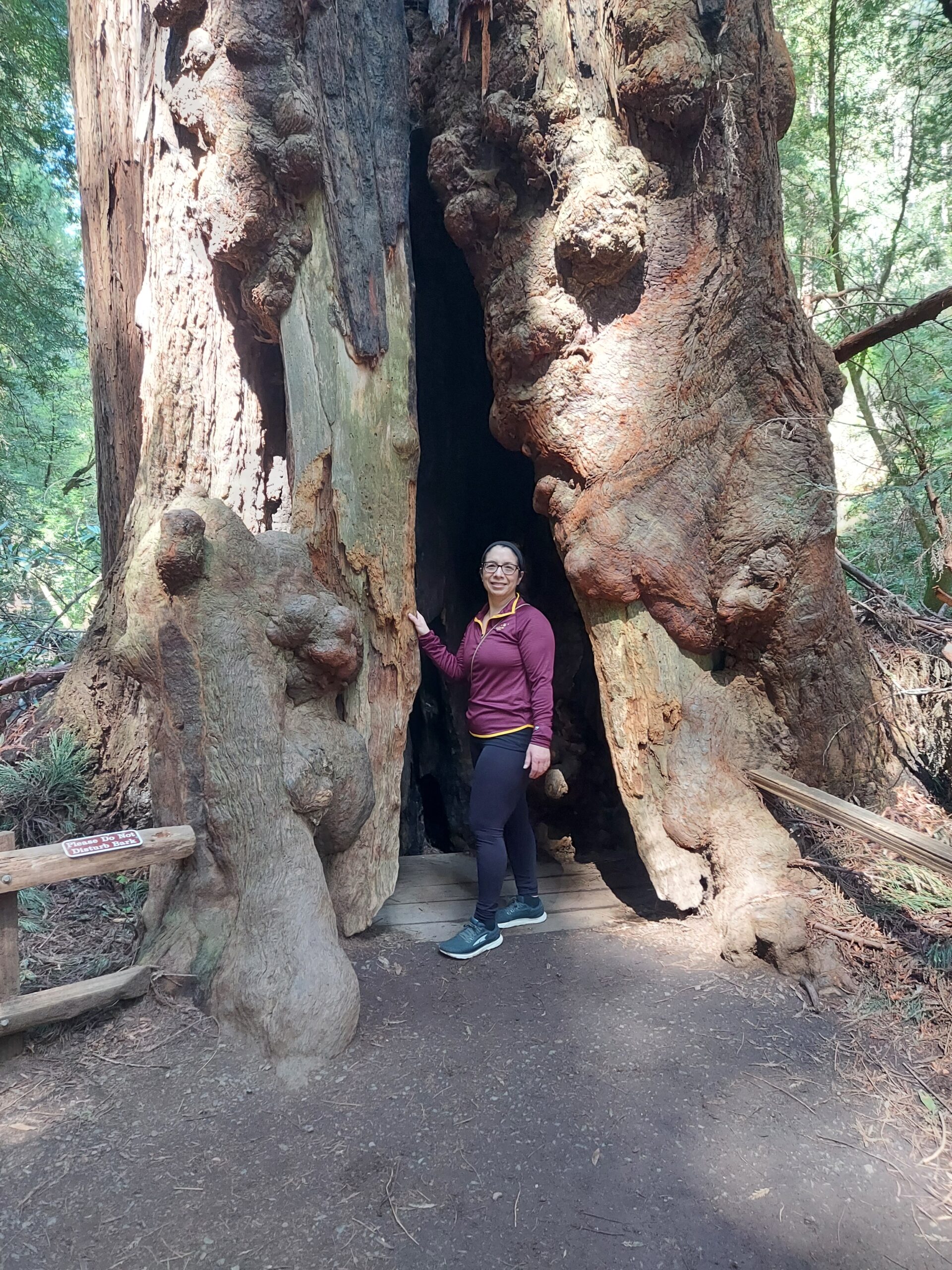
Local Recommendations
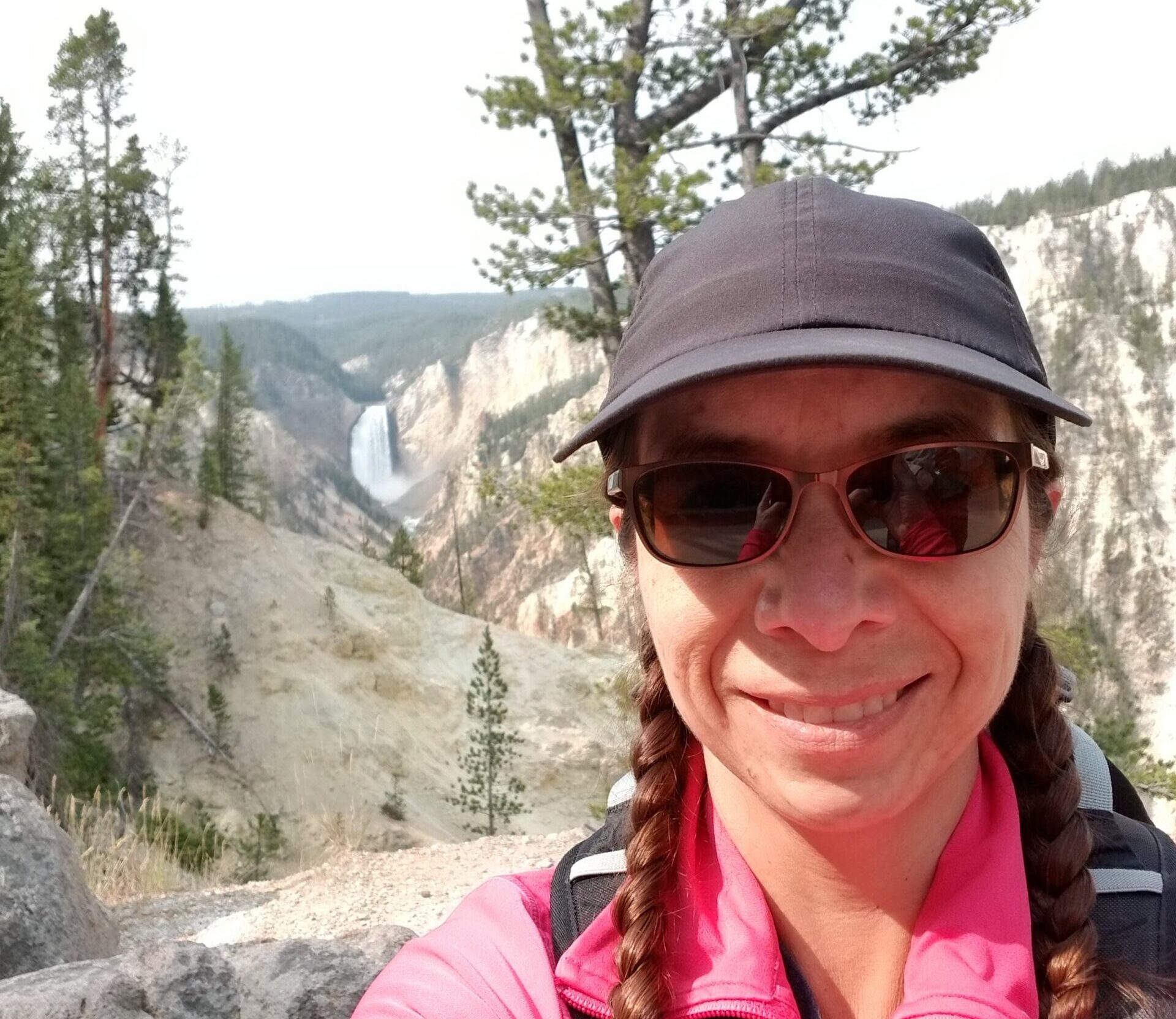
Trail Highlights
#1 Favorite Trail
Devil’s Garden & Primitive Trail — Arches National Park
We saved this trail for our final day at Arches, and it was absolutely worth the wait. After seeing so many incredible sights throughout the park, we didn’t expect this trail to feel much different—and wow, were we wrong.
The full loop comes in at 7.9 miles and includes several short spur trails. Along the way you’ll encounter at least eight arches—some you can walk beneath, others you admire from a distance. The main trail begins as a wide, well‑marked path weaving between tall, thin sandstone “fins.” This continues until you reach Landscape Arch, where the Primitive Trail begins… and that’s where the adventure really starts.
Once you enter the Primitive section, the trail narrows and the markings become sparse. There’s little to no cell service, so downloading an offline map is highly recommended. We hiked it in early February and saw only four other hikers after entering this section, which made us extra grateful for GPS—just in case.
The terrain becomes wonderfully unpredictable: climbing up onto the tops of sandstone fins and walking along their narrow ridges, dropping back down into sandy washes, navigating steep rocky steps, and even balancing across a log over a small pool of water. Our favorite—and most nerve‑wracking—moments were the steep ledges we had to descend, often sliding down on our bottoms because there were no footholds or handholds. It was challenging in all the best ways and delivered more than a few adrenaline spikes.
Even though the morning started cool, the red rock warmed quickly. By the time it hit 60 degrees, I was in a tank top. In total, we spent 4 hours and 15 minutes on the trail, moving through snow, water, sand, and slickrock. Be ready for anything.
We’ll absolutely be back to hike this loop again—maybe even in reverse next time.
If you’re short on time, the main Devils Garden Trail offers several arches within the first mile, making it well worth a quick stop. But if you have half a day, aren’t afraid of heights, and are up for a challenge, the full Devils Garden + Primitive Loop is an unforgettable must‑do.
#2 Favorite Trail
#2 Favorite Hike
West Rim Trail — Zion National Park
The West Rim Trail is the approach to Angels Landing, so you already know it’s going to be iconic. While the full trail stretches 14.2 miles one way, there are countless highlights along the first few miles—perfect for a shorter adventure if you’re limited on time.
We visited in early March, before the shuttle system started running, so we arrived around 7:30 a.m. to secure a parking spot. Mornings were cool, but afternoons warmed into the 70s, making an early start ideal. We parked at The Grotto and set our sights on reaching Scout Lookout, the viewpoint just below Angels Landing.
Trail Stats to Scout Lookout
- Distance: 2.1 miles one way
- Elevation Gain: 1,200 ft
- Time to Scout: ~1 hour 45 minutes for us
The trail begins with long, winding switchbacks carved into the canyon walls—dramatic drop‑offs, towering cliffs, and sunrise light that slowly paints the rock in warm glow. The first major shift in scenery comes at Refrigerator Canyon, a cool, shaded crevasse known as a quiet zone due to nesting Mexican owls. Several birdwatchers were stationed here with binoculars, so we kept our voices low out of respect.
Exiting the canyon, you’re immediately greeted by the famous Walter’s Wiggles—21 steep, tightly stacked concrete switchbacks climbing 250 feet to Scout Lookout. As you round the final turn, Angels Landing comes into full view, and it is absolutely breathtaking.
Scout Lookout has a restroom (no water) and plenty of space to rest. The drop is over 1,000 feet straight down, so I kept a comfortable distance from the edge. Angels Landing requires a permit and a fearless relationship with heights—two things I don’t have—so we took in the views and continued another 1.5 miles up the West Rim Trail instead.
This stretch leads to a beautiful white rock dome where you appear level with, or even slightly above, Angels Landing. The views are spectacular—360 degrees of the canyon below, the Virgin River, and the Temple of Sinawava stretching far below. The trail continues beyond this point, but it begins descending, and with about 3 hours already behind us, we decided it was the perfect turnaround spot.
People often ask if I regret not doing Angels Landing, and the answer is an easy no. With a mild fear of heights, I know my limits, and I never want to put myself—or anyone else—in danger by pushing beyond them.
The descent was just as stunning as the climb, only in different light and with different muscles doing the work. By the time we returned to Scout Lookout, my legs were feeling a bit jelly, confirming we made the right choice. After one last rest, we headed down Walter’s Wiggles. They are steep and demanding, and a fellow hiker gave me the best advice: “Sit back like you’re in a chair and use your quads to save your knees.” She was absolutely right.
Refrigerator Canyon offered a welcome flat reprieve before the final steep switchbacks into Zion Valley. We took several breaks—slow and steady was the theme of the day—and every step was worth it.
Final Stats
- Total Distance: 6.7 miles
- Elevation Gain: 2,100 ft
- Total Time: 4 hours 30 minutes
Even hiking just a portion of the West Rim Trail delivers unforgettable views and a true sense of Zion’s grandeur. It’s a rewarding adventure for anyone willing to take on the climb.
#3 Favorite Hike
Our #3 trail is a tie between two unforgettable hikes: Lost Mine Trail in Big Bend National Park and Bright Angel Trail at the Grand Canyon. Each one offers its own kind of magic, challenge, and reward—so let’s start in Texas.
🌄 Lost Mine Trail — Big Bend National Park
We visited Big Bend in late December, when mornings start chilly but warm quickly as the sun rises. We arrived early to secure a parking spot—like most national parks, spaces are limited—but even at 7:30 a.m. the lot was already full. We grabbed the last spot at the next turnout, which added about ½ mile each way to our hike.
Trail Stats
- Distance: 4.8 miles (plus our extra mile)
- Elevation Gain: 1,100 ft
- Estimated Time: ~3 hours (longer if you stop for views—which you absolutely should)
The trail wastes no time with elevation, climbing steadily within the first half mile. Around the 1‑mile mark, you reach the Canyon View Saddle Overlook, with sweeping views of Juniper Canyon and the Chisos Rim. Many hikers turn around here for a scenic 2‑mile outing, but we continued upward.
From here, the trail becomes rockier and steeper, but the payoff is constant—breathtaking vistas at every turn. We spotted several bird species and even two deer enjoying a quiet morning stroll. By the 2‑mile point, the trees thin out and the landscape opens into rugged, rocky views of the surrounding mountains. (If you follow my YouTube channel, I filmed a short practice here.)
The final stretch to the peak is dominated by rock, with plenty of space to rest, snack, and soak in the panoramic views. We spent about 30 minutes at the top before heading down. By then, the trail was much busier, and we stepped aside often for hikers making their ascent.
Total time: About 4 hours including stops and the extra mileage.
Final verdict: 100% worth the climb. This trail held the top spot on our list for nearly six weeks—and we highly recommend it.
🏜️ Bright Angel Trail — Grand Canyon National Park
Bright Angel is iconic for a reason. We hiked it in early March, starting around 8:15 a.m. in temperatures hovering in the 30s with a biting wind. This trail can be as long or as short as you want—many routes branch off into multi‑day canyon adventures—but we had one day and took it section by section.
There are several well‑marked turnaround points, so we simply checked in with ourselves at each one.
My first goal was Second Tunnel, and once we reached it, I knew I wasn’t ready to turn around. Watching the canyon transform as we descended was mesmerizing—the trees fade, the vegetation shifts, and the rock layers change with every switchback.
We reached the 1.5‑mile Resthouse in about an hour and took a short break. Because of the season, water wasn’t available until the 4.5‑mile stop, so we were grateful to be well prepared. Below us, a sunlit point caught my eye, and that became my next goal.
After the 1.5‑mile mark, the trail turns to red rock and dust, (beware of donkey droppings) with surprising patches of green grass. Even in the shade, the canyon warmed as we descended. As the sun climbed higher, the views became even more dramatic.
Eventually, we reached the 3‑mile Resthouse, perched at the overlook I’d been aiming for—and it was stunning. At this point, we were 2 hours in and 2,100 feet down. The 4.5‑mile Resthouse was out of reach for the day, especially knowing we still had to climb back up, so we rested for about 20 minutes before starting the ascent.
The climb up is no joke. I warmed up quickly, shedding layers until I was in a tank top. The first 1.5 miles back up went faster than expected—about 1 hour and 15 minutes—but the effort felt much slower. We stopped for lunch at the 1.5‑mile resthouse, and my legs protested loudly when we stood to continue.
From there, we paused at nearly every switchback to rest and catch our breath. The views were still incredible, but I found myself looking down more often than out, focusing on steady footing and forward progress. When we reached Second Tunnel, I felt a surge of excitement knowing the rim was close. The final stretch I was slow but determined, and soon enough we were back at the top, ready for a well‑earned lunch.
Final thoughts:
The views on Bright Angel are unmatched, but the vertical gain is significant and not ideal for those with a fear of heights. Still, even hiking a small section is worthwhile if you’re in good health and ready for a challenge.
Harvest Host
What is Harvest Host?
First off, I am not affiliated with Harvest Host and receive nothing from them for this review. For RV travelers, one‑night overnights can be tricky—especially when they fall between two long travel days. More often than not, you end up at a truck stop, rest area, or big‑box store parking lot. Those options work in a pinch, but Harvest Host offers something entirely different.
Wineries, breweries, farms, museums, restaurants, and vineyards can all be Harvest Host locations. With a yearly paid membership, you gain access to a nationwide map of hosts offering a place to park your rig for the night—usually in an overflow lot or open field. Many hosts accept same‑day requests, while others prefer 24 hours’ notice.
Most locations do not provide water or electric hookups, though we’ve found several that offer limited services for a small fee. The stay itself is free for members, but you are expected to support the business by shopping, dining, or enjoying whatever they offer. For us, travel days are often the days we eat out anyway, so this membership was a no‑brainer. We get to discover places we never would have visited and enjoy some amazing food and beverages along the way.
Because we travel in the off‑season, we did run into a few locations that were closed, but overall we had no trouble finding a Harvest Host when we needed one. One of the best parts is the people—both the business owners and fellow travelers. We’ve had some wonderful conversations and met some truly memorable folks.
If you travel several months a year in your RV, I highly recommend looking into a Harvest Host membership and all it has to offer.
Where we Stayed
We love using Harvest Hosts as overnight stops between two long travel days. When we can find a location along our route, they tend to be convenient, memorable, and a fun way to support local businesses.
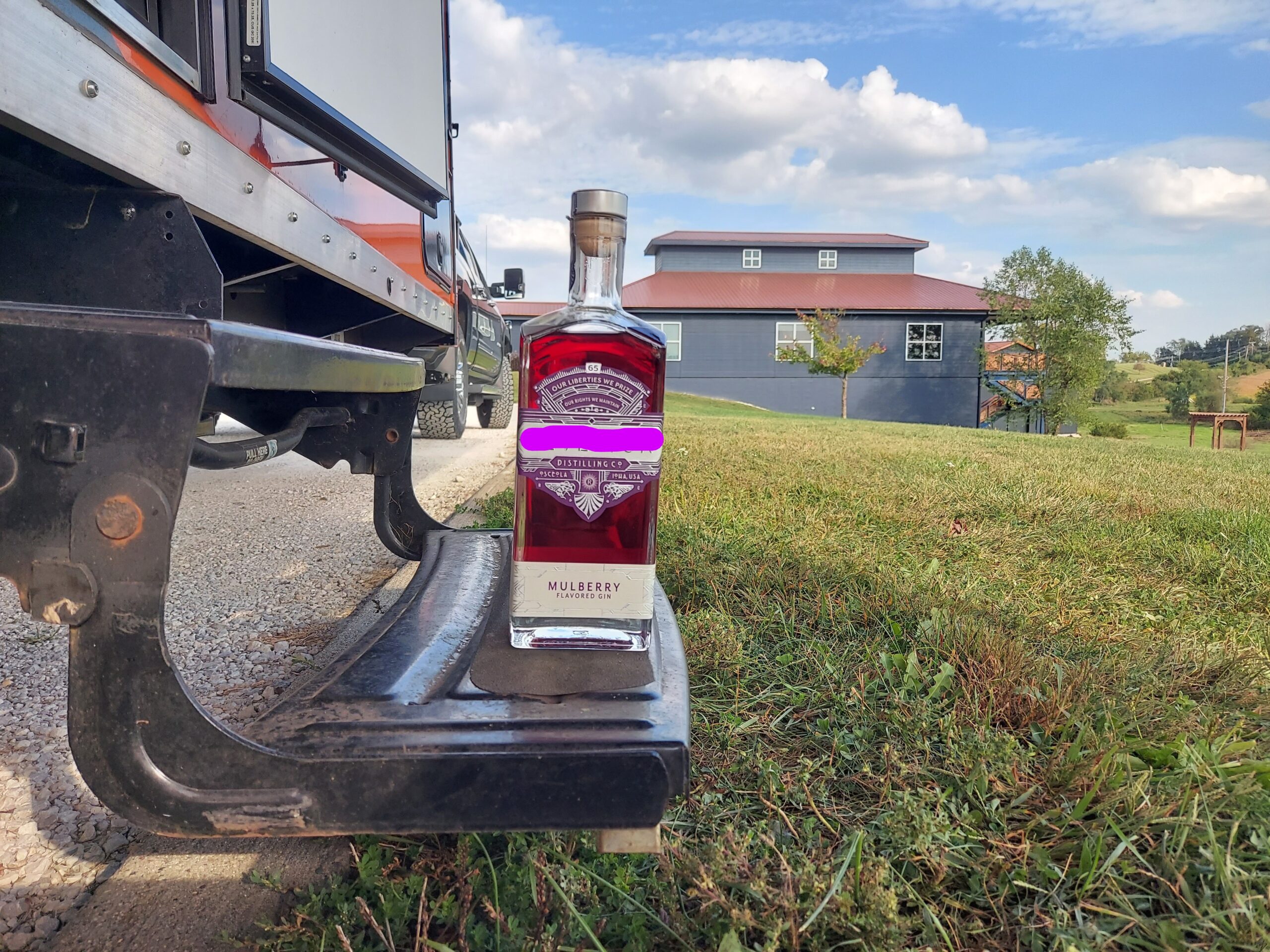
Revelton Distillery – Osceola, Iowa
Right off the main north–south highway in southern Iowa, Revelton Distillery offers a large gravel lot that can easily accommodate several big rigs. The lot opens into a wide grassy field with beautiful sunset views. There is some highway noise, but nothing a pair of earplugs can’t handle.
We visited in October—warm on arrival, then quickly cooled by a crisp fall breeze. The distillery has a lovely tasting room with a wide selection of craft spirits, plus tours and tastings. I intentionally didn’t pack any alcohol so I could pick something new from their shelves.
EZ Camp – Illinois
This stop was essentially a gravel lot beside an outdoor storage facility. They offered water and electric for a fee, and that was the extent of the amenities. It was right on our route, easy to access, and pouring rain when we arrived—so all we wanted was to get off the road. It served its purpose, though it’s not one we’d likely choose again.
Bonds Estate & Gardens – Covington, Georgia
A true gem. This historic Southern estate is full of charm, beauty, and hospitality. The grounds—complete with oak and pecan trees, gardens, and even a historic cemetery—have been featured in several films.
Seasonal produce, tea tastings, and restaurant‑quality meals are available for purchase, along with optional water hookups. The owners, L.A. and Robert, were warm, welcoming, and clearly passionate about their property. We absolutely recommend this stop.
Shire Hill Grove – Yemassee, South Carolina
This 62‑acre family‑run farm sits within easy reach of Beaufort, Charleston, and Savannah. They offer a large field for dry camping and several water/electric sites for a fee, plus a bathhouse and laundry—exactly what we needed.
The property is framed by live oaks draped in Spanish moss, ferns, and a grove of pecan trees. There’s even a small petting zoo with goats and horses. We happened to be there when the farrier arrived and got to watch a draft horse being shoed—such a cool experience. Quiet, peaceful, and practical.
DelMonaco Winery – Baxter, Tennessee
Tucked into a quiet neighborhood just off the highway, DelMonaco Winery is a beautiful surprise at the end of a long, narrow road. The tasting room and event space sit between a tree‑lined area and a vineyard, with a large, level gravel lot for overnight guests.
To our delight, a lovely neighborhood surrounds the second vineyard—perfect for an after‑dinner dog walk. We enjoyed a wine tasting, then bought a bottle to pair with dinner from their restaurant. Everything was top‑notch, and since we were there midweek, we had the entire place to ourselves. Another highly recommended stop.
Flying Heart Brewery – Natchitoches, Louisiana
This brewery and restaurant was a bit farther off the highway than we usually venture, but the reviews convinced us to try it. The surrounding area looked industrial at first, but the large, level lot had plenty of space for RVs.
The restaurant offers indoor and outdoor seating and grew busy as the evening went on. It was raining during our visit, so the patio was closed, but I imagine it gets lively on a nice night. We each tried a flight of beers—surprisingly, I even found one I liked—and the food was excellent.
Unfortunately, due to city zoning changes, they are no longer a Host, which is a real disappointment because we would absolutely return.
Stops We Missed (But Hope to Visit Soon)
We had planned additional Harvest Host stays—a bee farm in North Carolina and a Horse Ranch in Utah—but had to cancel for various reasons. Both remain on our list for future trips.
Top Stays
Coming Soon
Grocery Markets
How I Grocery Shop on the Road
Let’s face it—grocery shopping is one of those necessary, dreaded chores we can’t avoid. At home, we all have that one store we can practically shop in our sleep because we know exactly where everything is. But when you’re traveling, it’s a whole new game every time you pull into a new town.
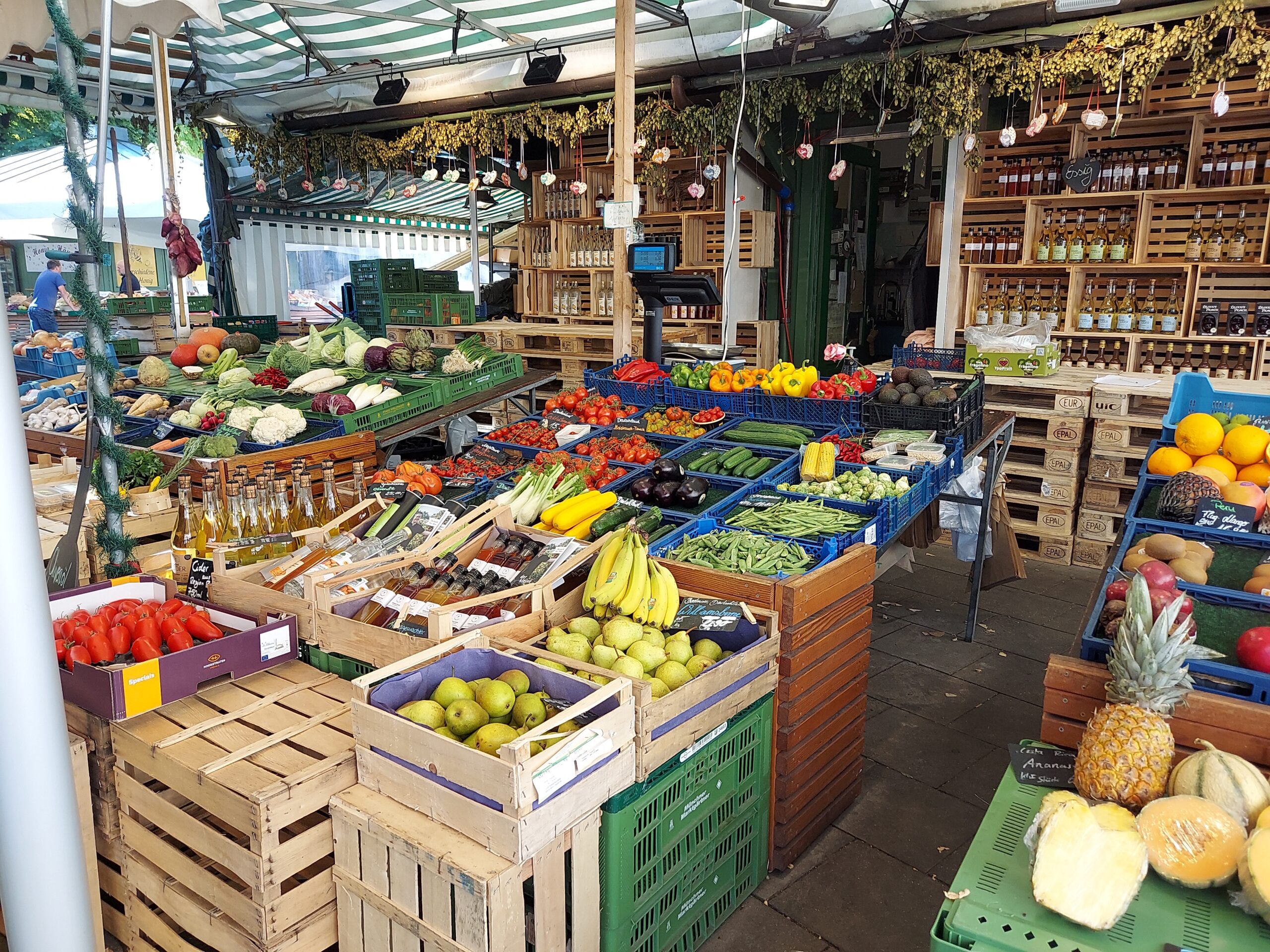
My preference is always a local farmers market, but since we travel in the winter, most of those weren’t open. That left me navigating unfamiliar grocery stores completely blind. My first piece of advice: don’t shop like you’re at home. Know your space limitations and adjust your buying habits. We travel small, so shopping every four days—or less—is all I can manage while keeping food fresh.
Planning is key. I always meal plan before I shop and take stock of what’s already in my “pantry.” The average U.S. household throws away about 30% of their food, and I aim to keep that number as close to zero as possible. If I have leftovers, I find a way to use them. In six months of travel, I’ve tossed only one bag of mini cucumbers (they froze), one bag of spoiled green beans, and half a carton of cream that curdled. Be creative, not wasteful.
I usually ask the camp host where the best local grocery store is and give it a try. Sometimes it’s a small mom‑and‑pop market; other times it’s a larger chain. Occasionally I have to visit a couple of stores to find what I need. We don’t eat “camping food”—we eat the same fresh, homemade meals we make at home—so quality ingredients matter.
I’ve signed up for several discount cards along the way because food is one of our biggest expenses, and every little bit helps. My biggest struggle with this “new” shopping routine is time. Shopping in an unfamiliar store takes much longer than shopping at home. Even within the same chain, layouts vary and brand selections can be completely different depending on the region.
But here’s the fun part: new foods. I always look for a “locally grown” section or local brands. When I find something unfamiliar, I ask a clerk how to cook it and adjust my meal plan. Some of our favorite new meals came from being flexible and shopping local.
Have fun exploring new grocery stores, and don’t be afraid to try new flavors. Traveling is all about discovery—and that includes what’s on your plate.
My Favorites
Coming Soon
tbd
Family Activities
Trying to Keep Everyone Happy
That’s a big ask—but we all do our best. Whether you’re traveling with a large family or it’s just the two of you, everyone has their own ideas about what they want to do. Those differences can lead to disagreements, so a little planning and a lot of communication go a long way.
Start by doing your research well in advance, especially since many activities require reservations. Once you know what’s available in the area, present the options to your group and open the discussion. This is where things can get messy, so set expectations early. If you have as many days as people, it’s easy—everyone gets a day to choose the activity. If your time is limited, have each person pick their top choice and draw from a hat or spin a wheel to make it fun and fair.
Weather can throw a wrench into even the best‑laid plans, so create a list of indoor alternatives and have everyone choose a backup. Too often we try to over‑plan every moment, and that can take the joy out of the experience. Stay flexible and keep a few extra ideas in your back pocket in case plans shift.
Fun family activities create the best memories—and sometimes the plans that go sideways become the stories you laugh about for years to come.
Hot Air Balloon Ride
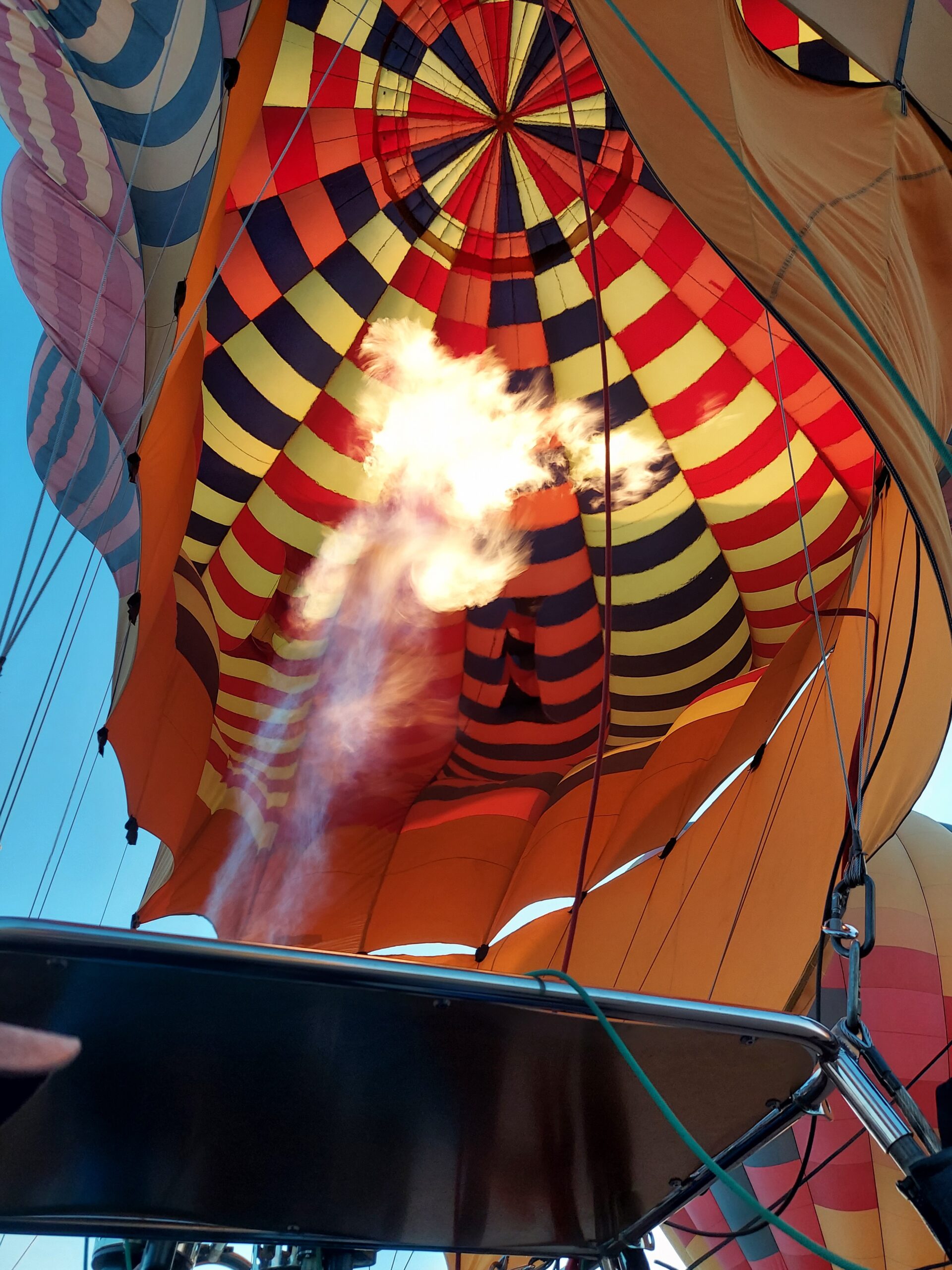
Hot‑air ballooning is a cool‑season adventure, most often done at sunrise or sunset when the air is calm and the colors are soft. It’s also an activity that depends heavily on weather and wind, so flexibility is key. Safety always comes first in ballooning, which means you should be prepared for the possibility of a cancellation or two before you actually get to fly. That happened to us — and we felt incredibly lucky to lift off on our second booking.
Before you schedule your own flight, take a little time to research different balloon companies. Basket sizes vary, and each company has its own group‑size limits. Knowing who can accommodate your family or travel group makes the planning smoother.
We chose a sunrise flight in Phoenix in March. Because of the early start, our alarms went off at 3:30 a.m. so we could drive to the shuttle meeting point. From there, the company transported us deep into the desert where the balloon crews were already gathering. To our surprise, our crew wasn’t alone — the ballooning community is small and tight‑knit, and many pilots meet up to fly together. That morning, fifteen balloons launched, creating a magical scene against the waking sky.
Part of the experience is watching the setup. The crew unloads the trailer, assembles the basket, and uses large fans to fill the balloon with cool air before the propane burners take over. Our crew of five worked in a smooth rhythm: one pilot, two men guiding the ropes, and two managing the fans and basket. Once the balloon was full enough to hold its shape, the pilot ignited the burners, heating the air and slowly lifting the balloon upright. When everything was secure, it was time to climb in.
Our basket could hold sixteen people, but with only nine in our group, we had plenty of space to move comfortably. The moment the crew released the ropes, we began to rise — so gently and so smoothly that if I hadn’t looked down, I would have sworn we were still on the ground. Unlike an airplane, there’s no jolt, no rush, no turbulence. Just quiet, steady ascent.
A fun fact: pilots can only control the balloon’s vertical movement. The wind determines the rest. Different air currents exist at different elevations, so flying alongside other balloons helps pilots read the air and adjust as needed. This is one reason the desert is such a great place to fly — wide‑open land, few obstacles, and plenty of safe landing zones.
For anyone afraid of heights, you might be surprised. I’m right there with you, and so were three others in our basket. All of us agreed that once we were in the air, it didn’t feel scary at all. The movement is so smooth that the fear fades quickly.
Our pilot doubled as a fantastic tour guide, pointing out mountain ranges by name, an automobile test track, and a river canal below. He answered every question with ease and gave clear instructions for both takeoff and landing.
As we descended, we were amazed by how quickly we moved sideways at lower altitude — the wind near the ground is often faster. This allowed the pilot to guide us to a safe landing spot. The basket touched down with a few gentle bumps before tipping slightly as the balloon deflated. We were thrilled to be safely back on the ground, though a little sad the flight was already over.
The chase crew, who had been tracking us the entire time, arrived moments later. They secured the balloon, helped us out of the basket, and then came one of the most charming traditions in ballooning: a champagne toast and the reciting of the Balloonist’s Prayer:
“The winds have welcomed you with softness. The sun has blessed you with its warm hands. You have flown so high and so well that God has joined you in your laughter and set you gently back into the loving arms of Mother Earth.”
Once everything was packed up, we climbed back into the shuttle and headed out. From start to finish, the entire experience took about three to four hours — and every moment was worth it.
Adventure Parks
Coming Soon
Rainy Day Alternatives
Have a Plan
Rain can put a damper on even the best‑made plans, so having a solid backup keeps your adventure running smoothly. As I mentioned in a previous article, letting each family member choose a “rain‑day option” ahead of time helps avoid frustration when the weather turns.
Your rainy‑day choices can be similar to what you’d do at home—like a movie or a museum—but since you’re traveling, make it fun and local. Find a quirky small‑town theater and pair the movie with a themed lunch, or let the kids pick out a silly costume from a thrift store before heading to the show. Little twists like that keep the day feeling special instead of disappointing.
Museums are another great option, and honestly, they seem to pop up everywhere when you’re on the road. Nearly every small town we’ve driven through has had a history museum and a charming gift shop to explore.
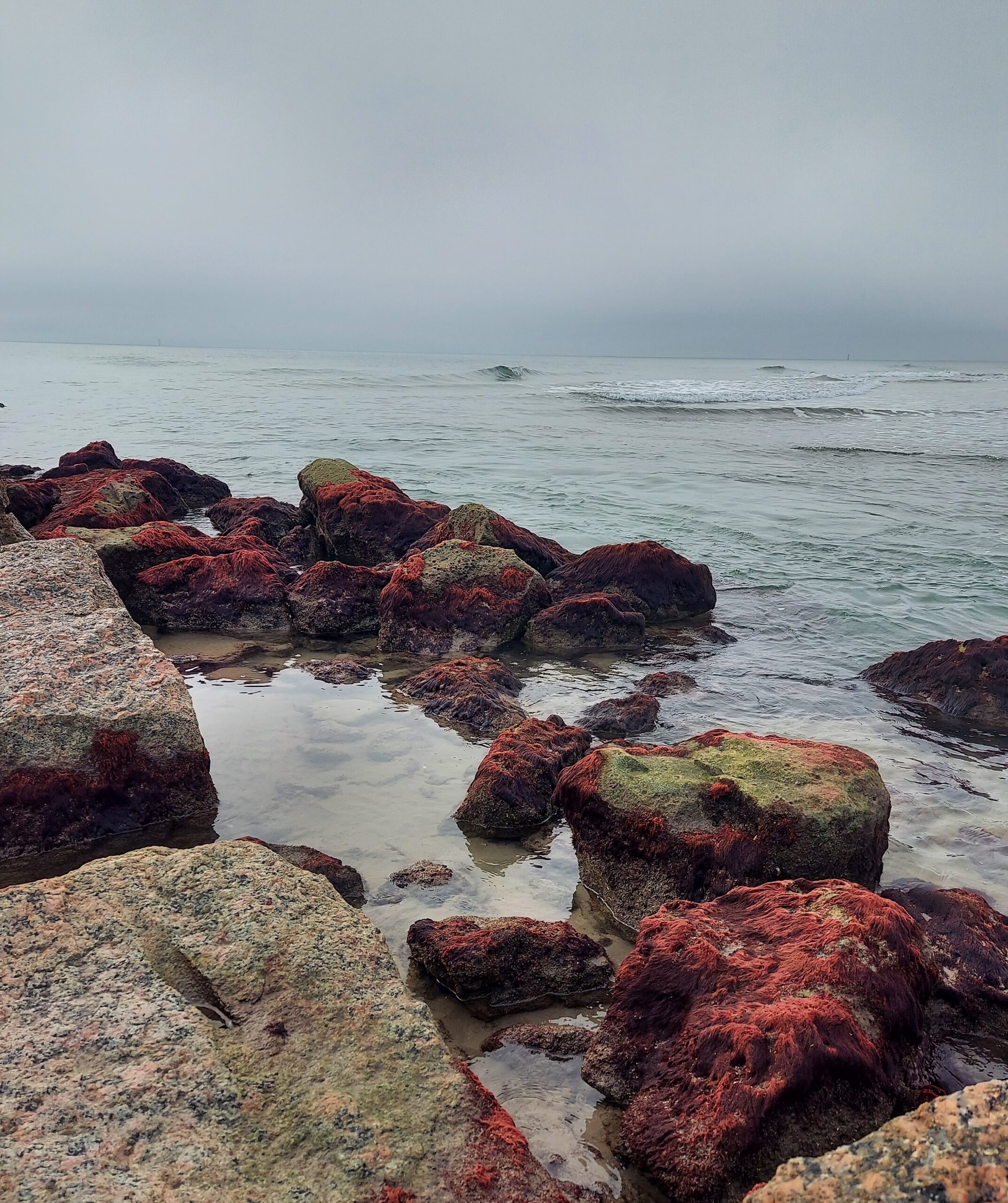
But rainy‑day fun doesn’t have to be indoors. If the temperature is reasonable, pull on the rain boots and jackets and head outside for a scavenger hunt. It’s amazing how different the world looks with a little rainfall, and hiking in the rain can actually be a peaceful, memorable experience—especially if you have the right gear.
And if you’re traveling without kids, sometimes a rainy day is the perfect excuse to slow down. Curling up with a movie, listening to the rain, and giving yourself permission to rest can be exactly what you need after days of going full speed.
tbd
tbd
Top Landmarks
National Parks
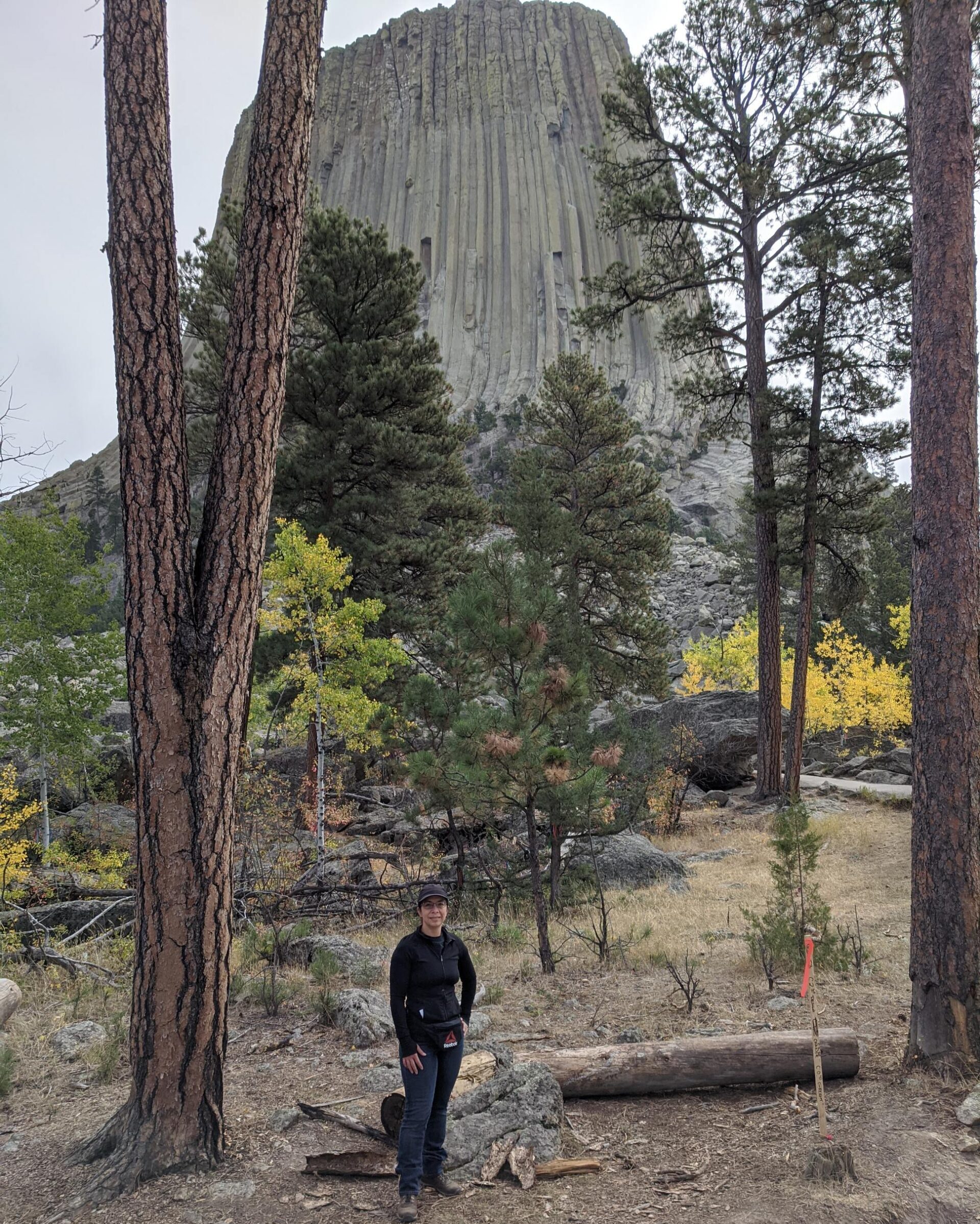
The National Park Service offers both yearly and lifetime passes for those who qualify, and these can save you hundreds of dollars if you plan to visit multiple parks—like we did. There are 63 designated National Parks in the United States and 433 total NPS sites, including monuments, battlefields, seashores, and recreation areas. In other words, you have plenty to choose from.
National Parks often showcase the most majestic views and unique landscapes in the country. Many were once state parks or national monuments that were later elevated to National Park status because of their significance and beauty. Not every state has a National Park, while others have several, so it’s worth checking the NPS website to see what’s near your travel route.
Since 2020, several parks have implemented timed-entry reservations due to increased visitation. Always check the park’s website before you go—there’s nothing worse than arriving and being turned away. Winter can also bring limited hours or seasonal closures, while summer is peak season everywhere. Planning ahead is essential, especially for entry access and accommodations, whether you’re booking a hotel or an RV site. I typically book RV sites about six months in advance if we want to stay more than a night or two.
Most National Parks offer camping, but many campgrounds were built long before today’s larger rigs existed. We’ve found that many sites are simply too small for us, so nearby state parks or private campgrounds often become our go‑to.
A few years ago, I discovered the NPS Passport Program—a fun way to track your adventures. You can collect a stamp at each park you visit, and I’m up to about 20 so far. Many parks also offer stickers, water bottles designed for park decals, smashed pennies, hiking stick medallions, and other collectibles for the souvenir lovers in your family.
I haven’t visited a National Park yet that didn’t feel worth the trip. Pick one, start planning, and let the adventure begin.
State Parks
State parks are the quiet, underrated gems of every state — the places where history, scenery, and local culture meet. Some people thrive in the energy of the city, and others of us feel most at home under open skies. I grew up in the city and cherish those memories, but my true self has always belonged outdoors.
I actually grew up camping with my family in state parks — mostly in Minnesota, but we often road‑tripped to others. Some of my earliest memories are from Savannah Portage State Park, splashing in the lake and exploring the trails. Maybe that’s why state parks still feel like home to me.
There are 2,500 state parks across the United States, covering over 17 million acres of protected land. That works out to an average of 49 parks per state — plenty of room to roam, explore, and reconnect with nature.
If you’re searching for your next outdoor adventure, I always recommend starting with your state parks. Over the last six months, we visited 23 parks, each with its own history, beauty, and personality. Here’s where this trip took us:
🌲 State Parks We Visited
Harrison Bay — TN
Skidaway Island — GA
Santee — SC
Dreher Island — SC
Lake Catherine — AR
Sea Rim — TX
Galveston Island — TX
Mustang Island — TX
Choke Canyon — TX
Palmetto — TX
Garner — TX
Seminole Canyon — TX
Balmorhea — TX
Big Bend Ranch — TX
Lost Maples — TX
Brantley — NM
Bottomless Lakes — NM
Oliver Lee — NM
Caballo — NM
Dead Horse Point — UT
Quail Creek — UT
Sand Hollow — UT
Cheyenne Mountain — CO
State parks are always my first stop — not just because they’re usually less crowded than the national parks, but because they offer such a rich look at each state’s story. Many protect archaeological sites, preserve unique ecosystems, or highlight local history you won’t find anywhere else.
Some parks are tiny and easy to overlook, but don’t let size fool you. A few of the smallest parks we visited ended up being the most memorable.
If you’re planning to camp, be ready to book well in advance — some parks fill up six months ahead. But if you’re just looking for a day trip, no matter where you live, there’s likely a state park within a reasonable drive waiting to be explored.
So get out there and enjoy whatever state you happen to be in — your next favorite place might be closer than you think.
Avoiding the Crowds
Coming Soon