Meditation
Short Practices
Why Start Small
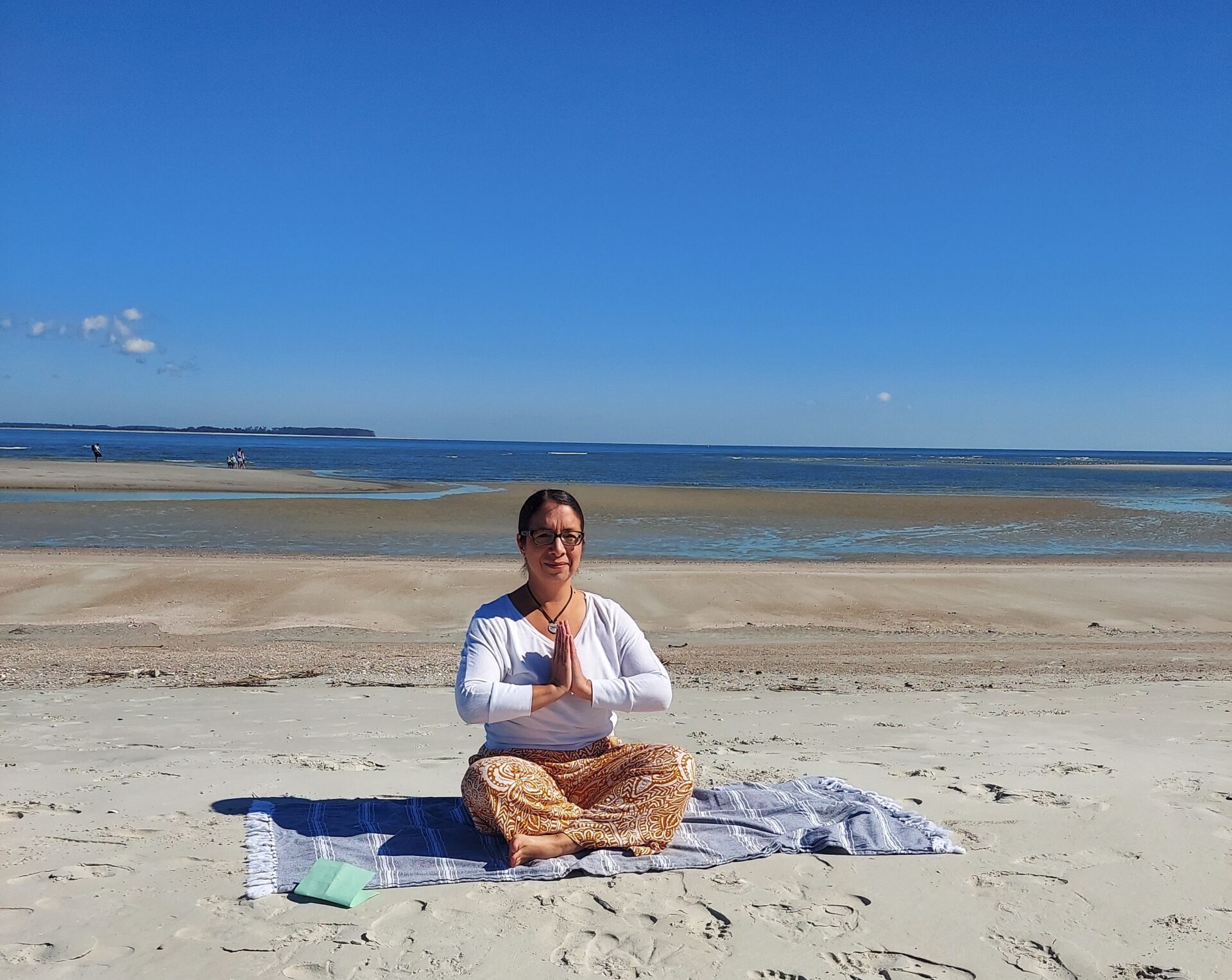
Time is precious for most of us, and that’s one of the biggest reasons I encourage starting with short meditation practices. Even I find it challenging to carve out time some days, so I’ve made it a habit to set my alarm just ten minutes earlier. Where I used to hit snooze, I now open my meditation app, choose a 5- or 10-minute session, and settle onto my meditation pillow.
Another reason to begin small is simple: starting is genuinely hard. If you’re used to moving at 100 miles an hour, suddenly sitting still can feel uncomfortable. Some people find it easier to begin lying down or sitting against a wall for extra support. Explore what position feels right for you—it may change from day to day.
Try beginning with just one minute of focused breathing and quieting the mind. Set a timer and see how it feels. If that minute feels manageable, try a short guided meditation next. I have several meditation videos available on my YouTube channel, and there are many apps that let you choose the length and theme of your practice. I tested quite a few before finding a voice that felt calming to me. The tone that soothes you will be unique, so give yourself permission to explore.
As you continue practicing regularly, you’ll discover what resonates with you and naturally begin to increase your meditation time. The most important thing is simply to begin—and to keep showing up, even on the days when it feels challenging.
Item #2
Item #3
Travel Calm
Create Your Own Calm
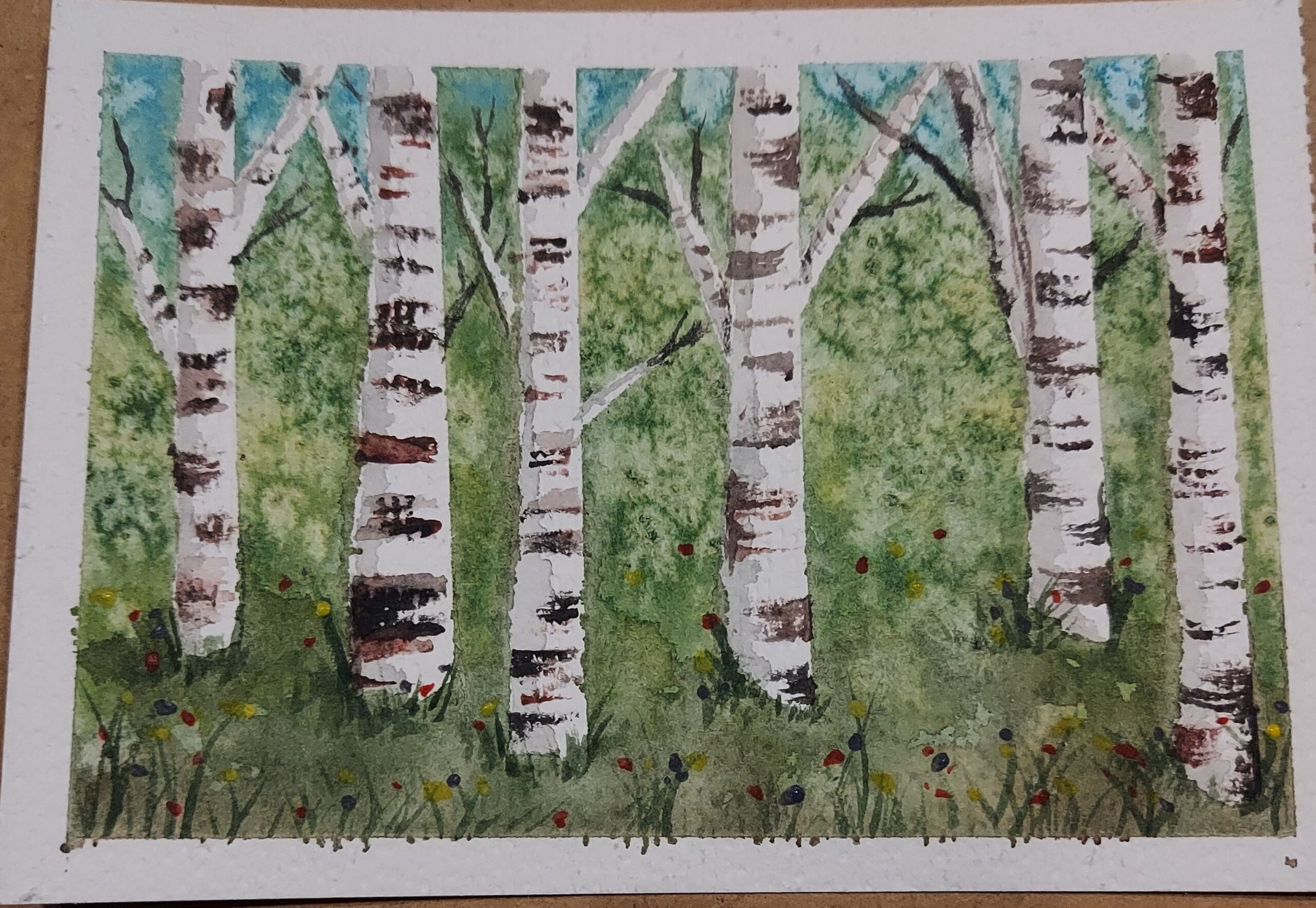
Meditation doesn’t have to look like chanting or singing bowls. It can be anything that brings you peace. When I was a teenager, I used to paint with acrylic whenever I felt stressed or couldn’t sleep. But life moved on, and somehow more than twenty years passed without me picking up a brush.
As we started this journey, I knew I needed something that was just for me—something quiet, creative, and grounding. So I invested about $30 in paints, brushes, and paper and decided to try a medium I knew almost nothing about: watercolors.
I began painting every few days and watching tutorial videos daily. Those first several attempts absolutely looked like a child made them, but I kept going. Eventually, I realized the multipurpose paper I’d bought wasn’t cutting it, so I ordered real watercolor paper. Having the right tools made such a difference. I also started small—3×5 cards—which turned out to be perfect for daily practice.
There’s something incredibly soothing about watching water and pigment move together on the page. The process itself is calming, and seeing my work slowly improve has been so rewarding.
I’m not saying everyone should paint. I am saying: find something that brings you that same sense of calm. Maybe for you it’s knitting, sewing, pottery, or something completely different. The possibilities are endless. And if you try something and it doesn’t feel right, that’s okay—chalk it up to learning and move on.
If you’re not sure where to start, consider signing up for a class at your local community center. Supplies are often provided, so your out-of-pocket cost stays low while you explore something new.
Whatever you choose, give yourself the time to practice—especially on the days when you need a few minutes of quiet. Your calm is worth creating.
Lorem ipsum dolor sit amet, consectetur adipiscing elit. Ut elit tellus, luctus nec ullamcorper mattis, pulvinar dapibus leo.
Item #2
Item #3
Breathe Easy
Find your Calm through Breath
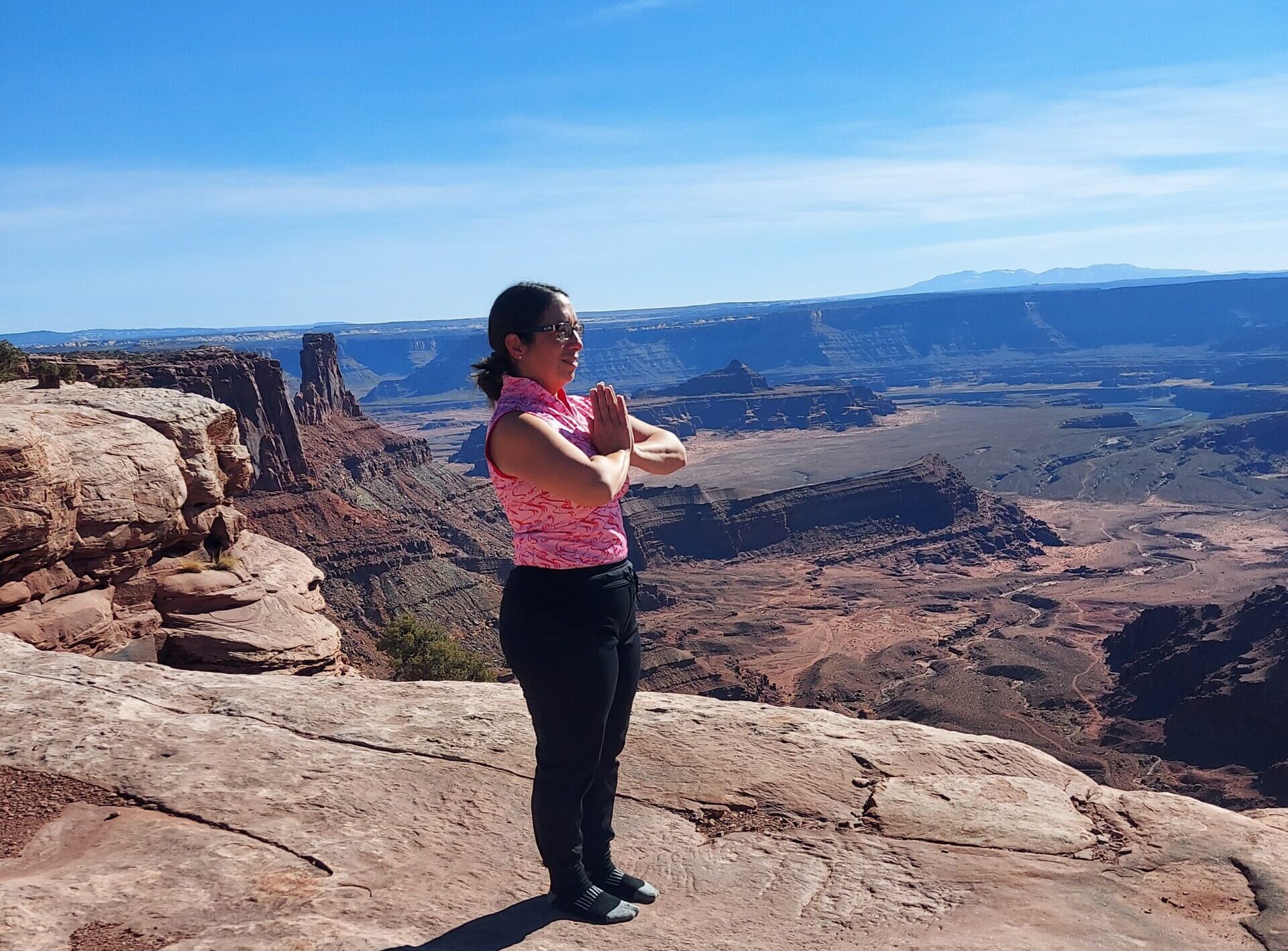
Breathing is something we do without thinking, yet what many of us were never taught is just how deeply our breath can influence our mood. When you’re anxious or scared, your breath becomes fast and shallow. When you’re relaxed or sleepy, it naturally slows and deepens. Ancient healers understood this connection well, but somewhere along the way, much of that wisdom faded from everyday life.
The good news is that breathwork brings it back.
There are breathing practices that calm you, others that energize you, and some that help build heat in the body. My personal favorite is slow, relaxing breathwork — long, steady inhales and exhales through the nose. Breathing this way helps quiet the mind, soften the body, and create a sense of spaciousness inside.
Try lengthening your breath to about 4–5 seconds on both the inhale and exhale. These longer breaths help your body absorb more oxygen and naturally guide you toward relaxation. I also find it helpful to rest my gaze on something still, like a candle flame. A soft, steady focus keeps the mind from wandering too far.
As you breathe, thoughts will drift in — that’s normal. Simply notice them, let them pass, and gently return your attention to the breath. Over time, this becomes easier, and the breath becomes a reliable anchor.
If you’d like to explore more, you can read further in my Gentle Yoga section, where I share additional breath practices and ways to weave them into your daily routine.
Item #2
Item #3
Mindful Moments
Taking Time to Appreciate the Little Things
This entire trip has been a lesson in slowing down and truly appreciating the little things. Most mornings I try to be up in time to watch the sunrise, and in the evenings I do my best to catch the sunset. There’s something grounding about turning my face toward the light and offering a quiet word of thanks for another day.
I was blessed with parents who instilled in me a deep love of the outdoors, and I’m always the first one to notice a new flower, plant, or tiny detail along the trail. I find beauty in nature everywhere I look. When we’re hiking, I’m sure I drive my partner a little nuts because I’m constantly stopping to admire something new and snap a photo so I can identify it later. The birds, the animals, the shifting ecosystems from region to region—they’ve all been such a joy to discover.
One of the most fascinating things I’ve spent time admiring on this trip is the rocks. Not just their colors, but their shapes, layers, and textures. It’s been joked that I should have been a geologist because I can lose myself for long stretches just noticing the differences and wondering how each formation came to be.
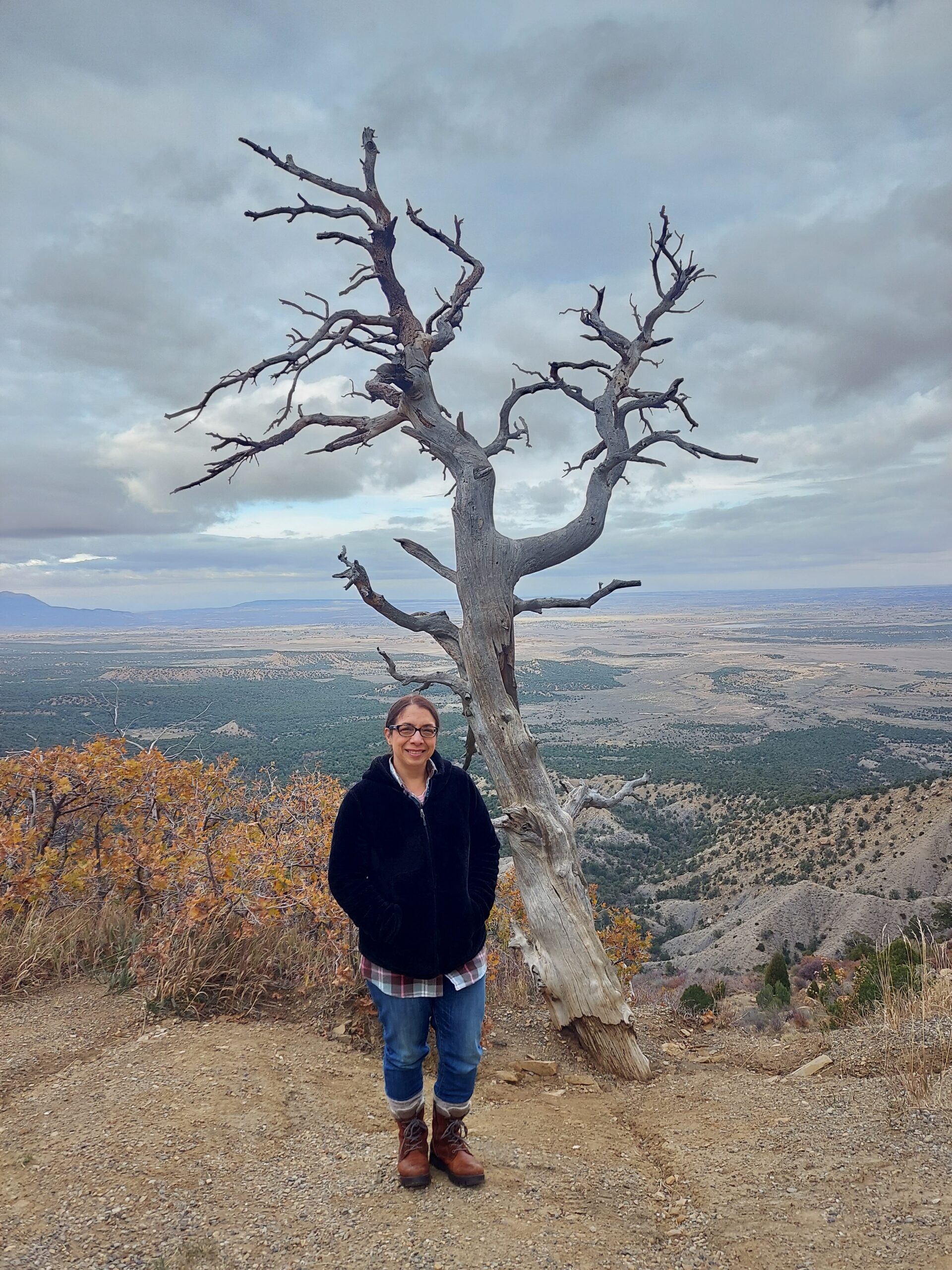
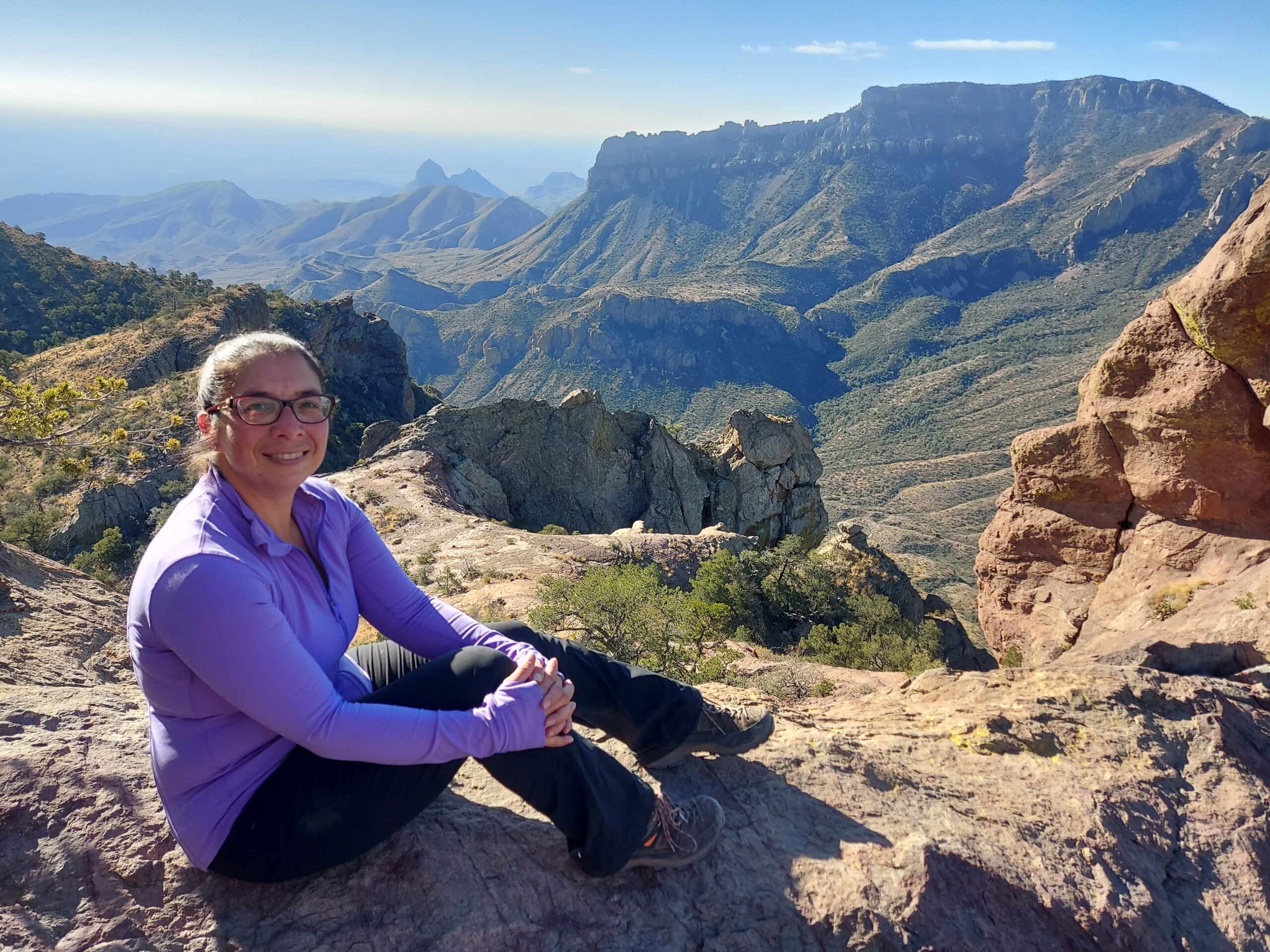
Some days, the appreciation isn’t for a thing at all—it’s for a person. More than once on this journey, I’ve paused to thank my partner for everything he does to keep our trip running smoothly. And then there are moments like the one in the photo above, taken on the 11th anniversary of my mother’s passing. I sat on that mountain peak and talked to my parents, thanking them for the love, guidance, and lessons that shaped me into who I am today.
Some days, finding something to appreciate comes easily. Other days, it takes a little more effort. But the important thing is to try—to look for one small moment, one tiny detail, one breath of gratitude. Those mindful moments add up, and they change the way you move through the world.
Item #2
Item #3

Sleep Support
How Yoga & Meditation Can Help Sleep
So many people think yoga is all about movement and flexibility, but that’s only a small part of the practice. At its heart, yoga is about relaxation, presence, and calm — and that’s the part I love most. Practices like Yoga Nidra, Yin Yoga, Restorative Yoga, and meditation all invite you to slow down, breathe deeply, and soften into stillness.
When you practice these relaxing forms of yoga and meditation consistently, you help shift your body out of “fight or flight” mode and into “rest and digest.” This activates the parasympathetic nervous system, signaling to your brain that it’s safe to unwind. Over time, this can support healthier sleep patterns.
Relaxing practices may also help increase serotonin levels, which play a role in producing melatonin — the hormone that supports your natural sleep cycle. Meditation, in particular, helps slow the brain’s activity, guiding you from active beta waves into the calmer alpha and theta waves associated with the early stages of sleep.
Try exploring a few different styles and notice which ones resonate with you. With consistent practice, you may find that your body settles more easily at night, your mind quiets more quickly, and your overall sleep quality begins to improve.
Item #2
Item #3
Stress Release
The Benefits of Stress Relief Through Meditation
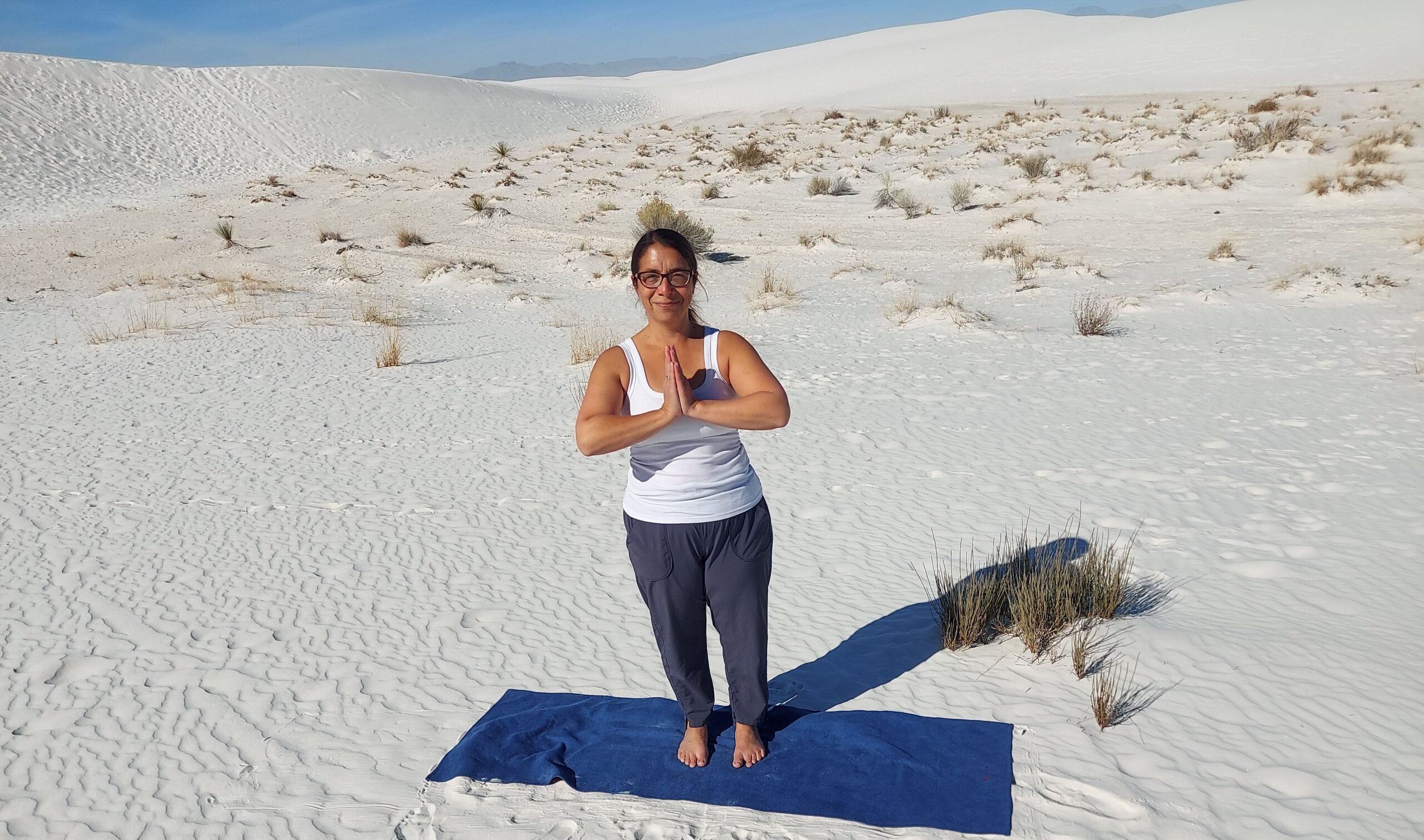
In a world that constantly asks us to move faster, do more, and stay “on,” stress can start to feel like the background noise of everyday life. But it doesn’t have to be. Meditation offers a simple, accessible way to soften that noise and reconnect with a sense of ease — no special equipment, no perfect setting, just a few minutes of intentional presence.
Meditation isn’t about emptying your mind or sitting perfectly still. It’s about creating space. Space to breathe. Space to feel. Space to let your nervous system shift out of survival mode and back into balance. Whether you’re brand‑new to meditation or returning to it after a long break, the benefits of this practice are both immediate and long‑lasting.
Calms the Nervous System
Stress pushes the body into fight‑or‑flight mode. Meditation gently shifts you back toward balance by slowing the breath and signaling safety to the brain. Even a few minutes can help your body unwind.
Quiets Mental Clutter
Racing thoughts, overthinking, and worry are common signs of stress. Meditation creates a pause — a moment where your mind can settle. Over time, this pause becomes easier to access, helping you feel more grounded throughout the day.
Releases Physical Tension
Stress shows up in the body as tight shoulders, clenched jaws, and shallow breathing. Mindful stillness encourages those areas to soften. Many people notice less tension and steadier breathing after just a short practice.
Builds Emotional Resilience
Meditation helps you observe your emotions instead of being swept away by them. This doesn’t eliminate stress, but it gives you tools to navigate it with more clarity and compassion.
Supports Better Sleep
A busy mind can make it hard to fall asleep. Meditation slows the brain’s activity and helps your body shift into rest mode, making it easier to unwind at the end of the day.
A Simple Practice With Big Impact
You don’t need long sessions or perfect conditions. Start with a few minutes a day. Let it be gentle, approachable, and yours. Meditation won’t remove stress from your life, but it will help you meet it with steadiness and ease.
Item #2
Item #3