Healthy Travel
Healthy Snacks
Why Planning Snacks is Important
In a world built around convenience and instant gratification, that gas‑station snack can seem like a quick fix — but have you ever actually read the ingredient list? Yuck. Most of the time you can’t even pronounce half the ingredients, and if you can’t pronounce it, chances are your body doesn’t know what to do with it either.
It’s no wonder obesity rates are so high today when you compare our food system to what existed 50 years ago. Processed foods simply weren’t part of everyday life the way they are now. Preservatives, artificial flavors, dyes, and fillers weren’t even invented yet. Today, the cheapest and most accessible foods are often the most processed, and they rarely leave you feeling full, satisfied, or nourished — because they’re not truly food.
That’s why planning your snacks matters. When you have healthy options ready to go, you’re far less likely to grab something that leaves you feeling sluggish or hungry again an hour later. There are so many simple homemade snacks that take just minutes to prepare, and nature has given us plenty of grab‑and‑go options that require zero effort.
Check out the next sections for a deeper dive into both — easy homemade snacks and whole‑food options you can take anywhere.
Natures Snacks
The creator of our beautiful planet didn’t design us without also providing the foods we need to thrive. The next time you’re in the grocery store, try walking the perimeter — that’s where most of the whole, unprocessed foods live. Spend a little extra time in the produce section and notice how many things are ready to eat with little or no prep.
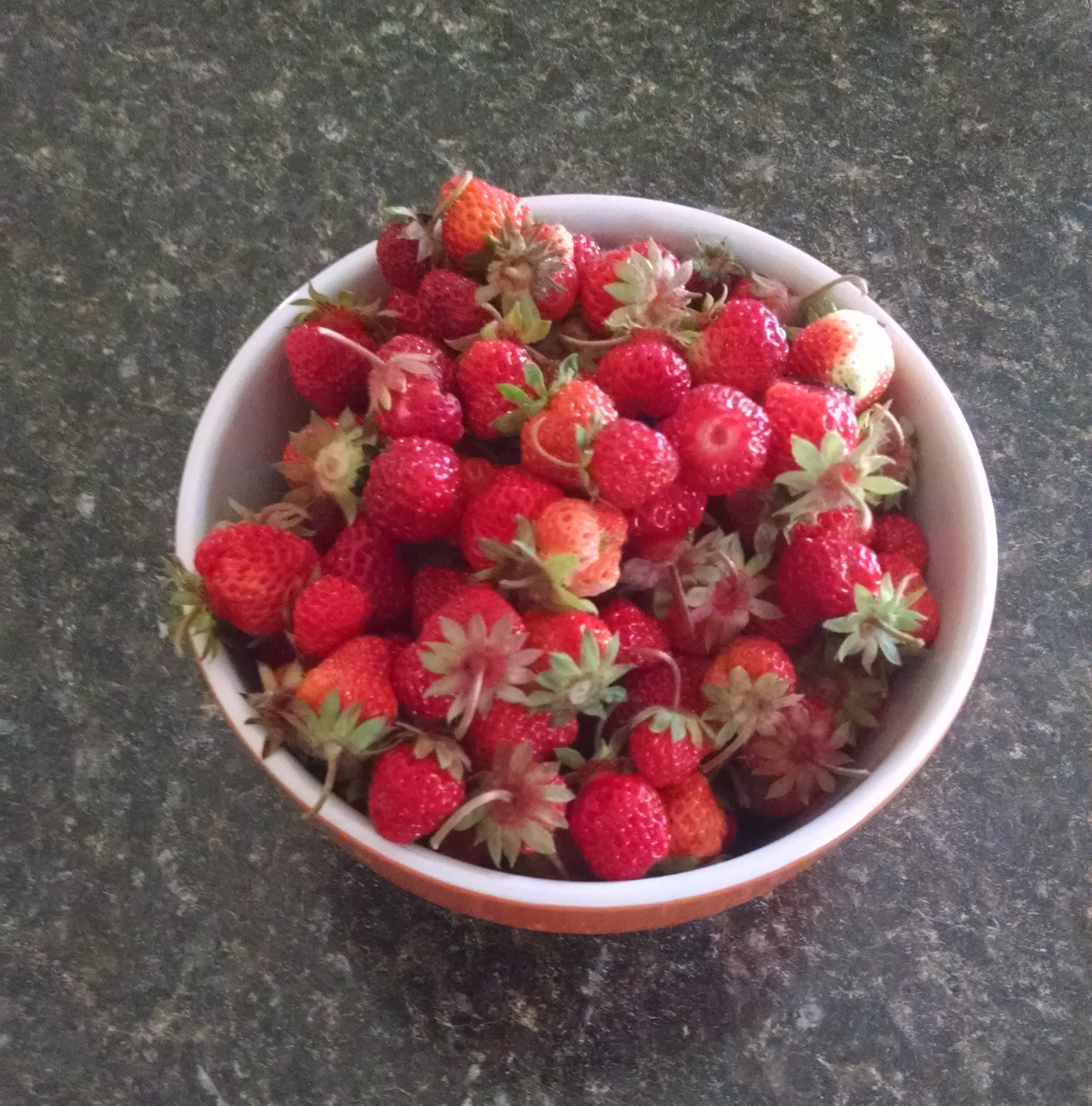
Don’t be fooled by items like baby carrots, though — they’re more processed than they look. But there are plenty of truly natural grab‑and‑go options. Some of my favorites include apples, bananas, oranges, plums, grapes, all kinds of berries, carrots, celery, baby cucumbers, kohlrabi, snap peas, snow peas, green beans, and cherry or grape tomatoes. Most of these only need a quick rinse and they’re ready to enjoy.
Nuts are another great option. Almonds, pistachios, pecans, and walnuts can all be bought in the shell — and you don’t even need tools. Just take two nuts in one hand, squeeze, and one will crack open. If you prefer convenience, you can always grab pre‑shelled nuts from the bulk section.
One more naturally packaged snack is boiled eggs. I used to dread making them because they never peeled nicely — until I started using a pressure cooker. It’s the easiest method I’ve found: place the eggs on the rack, add 1–2 cups of water (depending on your cooker), set the timer for 3 minutes, then cool them in ice water after the pressure releases. The shells slide right off.
If you take a little time to explore the grocery store with fresh eyes, you might be surprised by how many natural, nourishing, grab‑and‑go options are waiting for you
Easy to Prepare Snacks
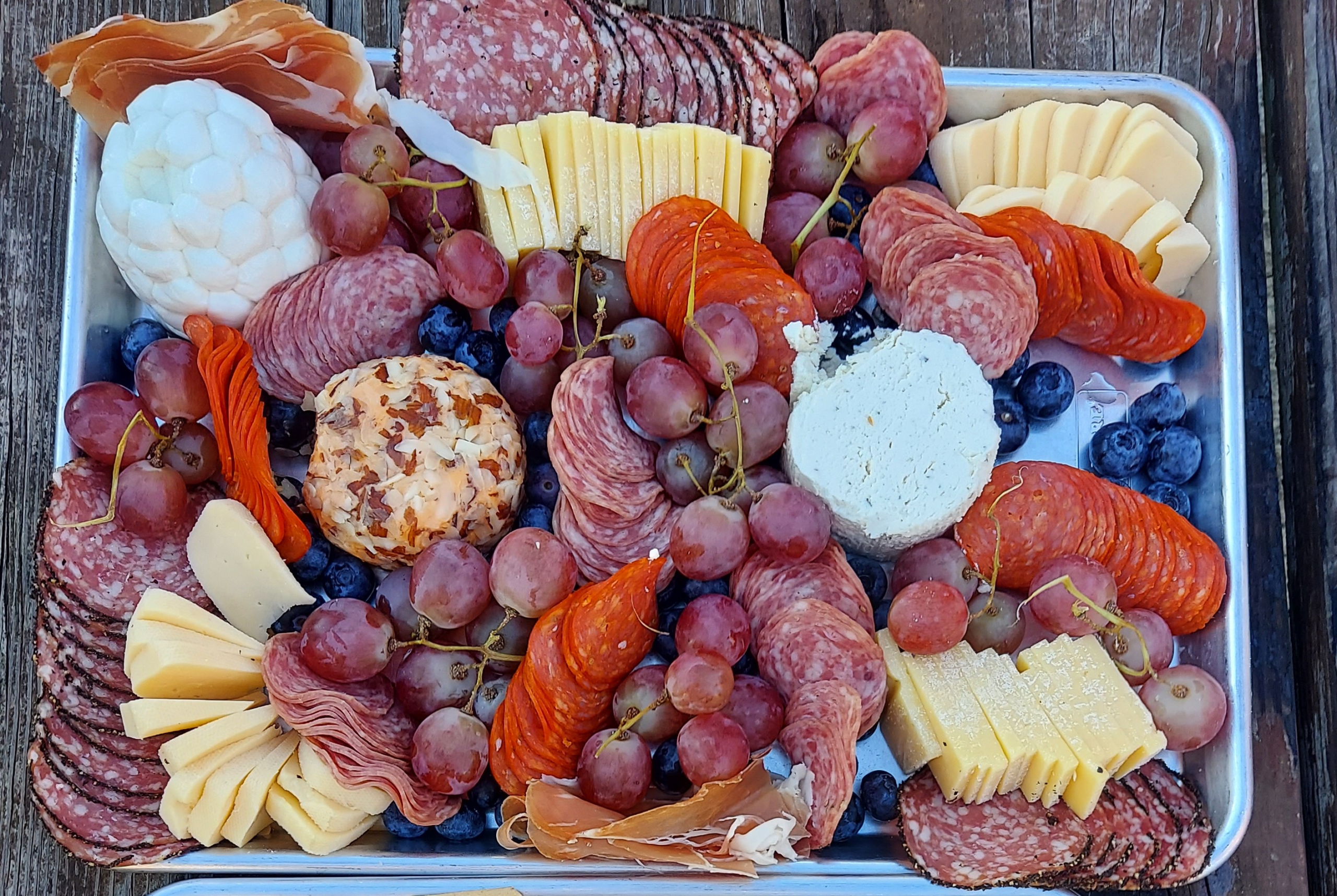
Snacks should be simple and taste good. Most of these can be made in small batches for yourself or scaled up to feed your whole crew — and their friends.
Let’s start with popcorn. You’ve probably seen those lists titled “10 Things I Won’t Eat as a Heart Surgeon.” Microwave popcorn is almost always on them. The preservatives, seed oils, and artificial flavorings land it squarely in the “highly processed” category. So let’s skip that version. Air‑popped or stovetop popcorn is a much better option. I use a Whirly Pop and make mine with coconut oil. From there, the flavor possibilities are endless: taco seasoning, sriracha, garlic‑parmesan… get creative. Just steer clear of the pre‑made popcorn seasonings in the grocery aisle — they’re usually loaded with the same junk we’re trying to avoid.
Hummus and tzatziki are two more easy, wholesome snacks you can make at home with just a few ingredients. They pair beautifully with all those fresh veggies you picked up in the produce department — or with homemade veggie chips if you want something a little crunchier.
Homemade granola bars or trail mix are another great option. Mix your favorite nuts, seeds, and dried fruits with a little honey and a healthy fat to bind it all together. You can tailor the flavors to whatever you’re craving.
Air‑fried crunchy chickpeas are another favorite. They’re quick, satisfying, and endlessly customizable — sweet, savory, spicy, or herby.
And one of my personal favorites: chocolate‑dipped fruit. Find a good quality low‑ or no‑sugar chocolate, melt it with a little coconut oil for a silky texture, and dip your favorite fruits. Simple, delicious, and always a crowd‑pleaser.
Have fun with your choices, and don’t hesitate to include the kids. Turning snack prep into a little afternoon activity makes it even more enjoyable.
Biking
Road biking
Road biking is the style most people are familiar with. Road bikes typically have smooth tires and may or may not have shifting gears, and the riding itself takes place on roads, sidewalks, or paved trails. Many cities across the U.S. are becoming more bicycle‑friendly by adding designated bike lanes to help keep riders safe. I always wear a helmet and a neon yellow vest for visibility — a simple habit that makes a big difference.
Biking is a fantastic form of exercise, but it’s also a beautiful way to experience the world. You move faster than you would on foot, yet you’re still fully immersed in your surroundings — the breeze on your face, the changing scenery, the rhythm of your breath and your pedals. It’s movement, mindfulness, and exploration all wrapped into one.
I fell in love with road biking while traveling in Europe, where bikes are everywhere and used as a major form of transportation. One of my favorite experiences was a guided bicycle tour in Munich, Germany. It was such an enjoyable way to see the highlights of a large city in a short amount of time. There’s something magical about weaving through historic streets, gliding past parks and rivers, and feeling like you’re part of the heartbeat of the city.
Here in the U.S., bike trails are becoming more common every year. Many cities now have paved greenways, riverfront paths, and rails‑to‑trails routes that stretch for miles. These trails offer a safe, scenic way to ride without worrying about traffic. Whether you’re exploring your hometown or visiting somewhere new, hopping on a bike lets you cover more ground while still feeling connected to the landscape.
If you’re traveling, road biking can be an incredible way to get oriented. Many cities offer bike rentals or guided tours, and it’s a great way to get the lay of the land, discover hidden gems, and narrow down the areas you want to explore more deeply. You see things you’d miss in a car, and you move with a freedom that feels both energizing and grounding.
Road biking is accessible, joyful, and endlessly adaptable — whether you’re cruising around your neighborhood, exploring a new city, or simply enjoying the feeling of being outdoors and in motion
Mountain Biking/Single Track
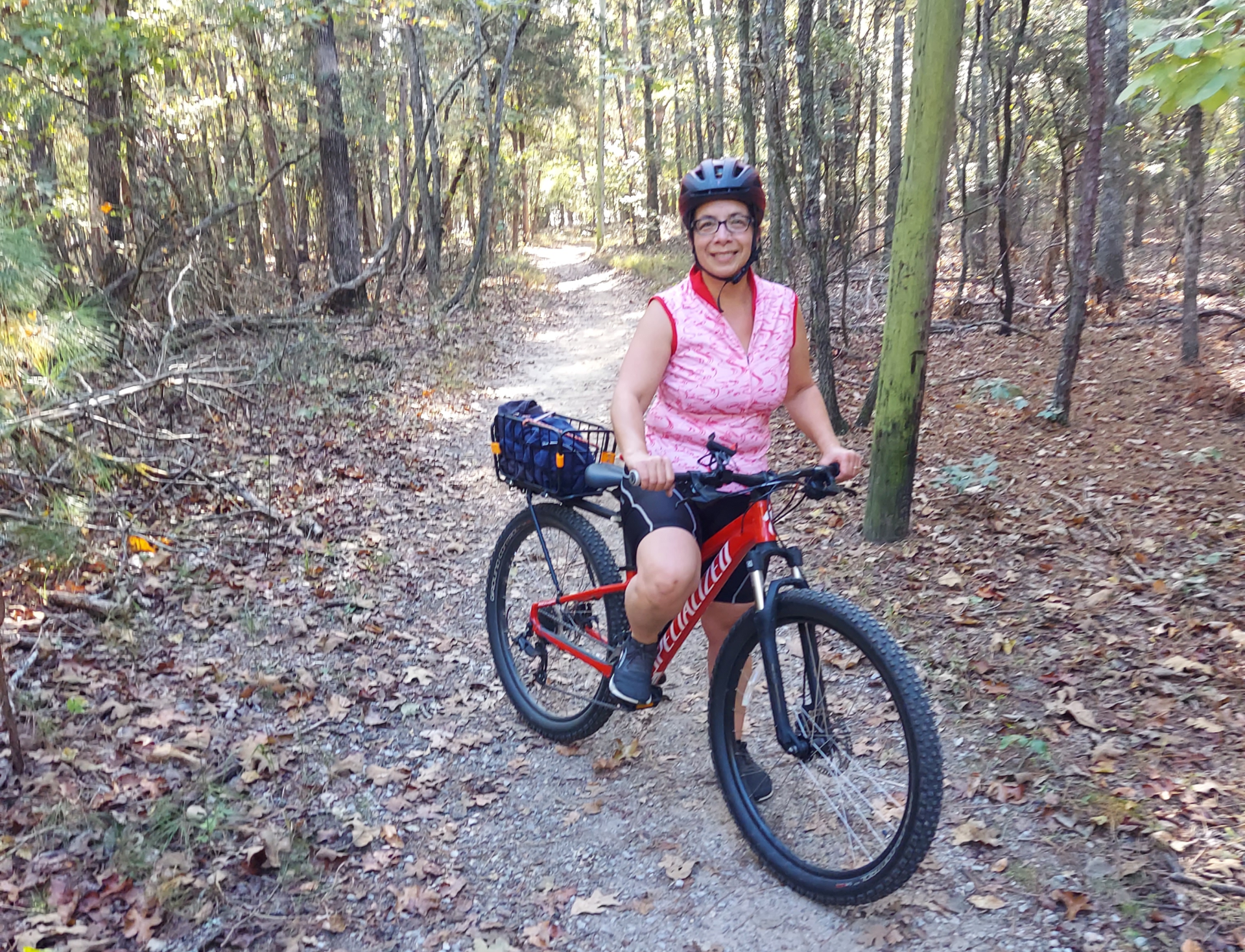
Mountain biking and single‑track riding have exploded in popularity in recent years — and for good reason. They blend all the benefits of biking with an added thrill factor that gets your blood pumping. These trails are typically dirt and rock, often with tree roots, dips, and man‑made features that add to the challenge. Mountain‑bike trails are usually about four feet wide or more, while single‑track trails narrow down to two feet or less, creating a more focused, technical ride.
Safety becomes especially important on these winding, uneven paths. Most trail systems are designed as one‑way routes to prevent collisions and keep traffic flowing smoothly. Trails are rated from easy to moderate to advanced, and I always start on the easy ones to get a feel for the specific trail system I’m riding. Not all “easy” trails are created equal — what one park considers beginner‑friendly might feel much more challenging somewhere else.
My first single‑track experience was in Duluth, Minnesota at the Lester Park Trails back in 2017 — and I was instantly hooked. When I got home from that trip, I searched for trails near me and was shocked to find a 10‑mile system just three miles from my house. I think I rode those trails at least once a week for the rest of that summer. Since then, we’ve explored trails in Minnesota, Texas, and Utah, and each one has been unique in terrain, scenery, and difficulty.
I tend to err on the side of caution because I want to avoid injury and keep riding for years to come. But for thrill‑seekers, this sport offers plenty of adrenaline‑pumping fun — fast descents, tight turns, rock gardens, and features that challenge your balance and focus in the best way.
Mountain biking is an incredible way to elevate your outdoor adventures. It’s physical, exhilarating, and deeply immersive — a chance to move your body, sharpen your skills, and explore nature from a whole new perspective.

Walking Plans
Why Walking Matters
Second only to water and oxygen, movement is life. Walking is one of the simplest ways to support your health. With every step, you’re not just burning calories — you’re stretching, strengthening, and bringing fresh oxygen into your muscles. Movement also helps release stagnant toxins that build up when we sit too long or stay inactive.
And when you take your walk outdoors, the benefits multiply. Fresh air, natural light, and the simple act of being in nature help calm the nervous system and lift your mood. The sounds of birds, the feel of the breeze, the warmth of the sun — these sensory cues naturally ground you and help reduce stress. Even a short walk outside can shift your energy in a way that indoor movement simply can’t. If walking feels hard, that’s often your body’s way of telling you it needs more movement — but start slowly. Walking should feel natural, and when it doesn’t, it may be a sign that something is off. Always consult your healthcare practitioner before beginning any new exercise routine.
Once you’re cleared to start, set an achievable goal. If you know you can comfortably walk one mile, aim for a mile and a half three times a week, then gradually increase to two miles. If you don’t have a smartwatch, no problem — most phones have built‑in fitness trackers that count steps and mileage. And if you prefer a more old‑school approach, simply drive the route you want to walk to get a sense of the distance.
The most important thing is consistency. Walk regularly, listen to your body, and let your progress build naturally over time.
Find a Walking Partner
We all like to think we’re independent and can do everything on our own, but let’s be real — walking is almost always more fun with a friend. Having someone join you adds a layer of accountability that can make all the difference. Ask a friend or neighbor if they’d like to walk with you, and if your schedules and distances line up, see if they’re willing to commit to a regular routine.
I know from experience that some days I just want to flop on the couch after work. But when my walking buddy calls and says, “Let’s go,” that’s all the incentive I need to get up and move. If it were just me, I’d be much more likely to let it slide and turn on the TV instead.
If you can’t find someone in your immediate circle, check your local community center or gym. Many offer walking clubs that meet weekly. These groups are great because you meet new people and often explore different routes to keep things fresh and interesting.
Another wonderful walking partner is a dog. If you already have one, you know exactly what I mean — try skipping their walk and see how long they let you sit still. Depending on your dog’s size and energy level, you may be limited on distance, but that’s okay. Take them for their walk, drop them back at home, and continue on to meet your own goal.
Whether you walk with a friend, a group, or a four‑legged companion, get outside and enjoy the fresh air. Movement feels better when it’s shared.
Step it up with Hiking
Hiking is simply walking with a little added challenge. Any time you step off pavement and onto a trail, you’re hiking. Trails can be dirt, gravel, rocky, or steep — and as you explore more advanced routes, you may encounter ladders, chains, slick rock scrambles, or even man‑made footholds to help you navigate steep terrain. The good news is that trails exist at every level if you know where to look.
Let’s start with footwear. For everyday walking, tennis shoes are fine. For hiking, though, dedicated hiking shoes or boots make a big difference. They’re designed for uneven terrain, with chunky, grippy soles that help you stay steady on slippery or rocky surfaces. Weight is another factor to consider. For short hikes, it doesn’t matter much, but for longer trails, a lighter shoe can make the miles feel easier.
Finding trails can be as simple as checking with your local park system or city office to see what’s nearby. Hiking apps like AllTrails are also incredibly helpful. You can search based on your location, preview the trail, and look at maps that show terrain and elevation changes. For new hikers, this can prevent you from accidentally choosing a trail that’s more complex than you’re ready for. Many apps also work offline using GPS, which is useful in areas without cell service.
In addition to a GPS app, it’s wise to carry simple navigation tools like a compass and a safety whistle. And always bring plenty of water. Hydration needs vary, especially in hot weather, so it’s helpful to plan ahead and bring more than you think you’ll need. Backpack water reservoirs make it easy to carry larger amounts comfortably. I also like to pack a couple of extra water bottles and a small first‑aid kit.
Snacks are another must. I plan for one snack per hour and bring things like a sandwich, apples or oranges, uncured beef sticks, cheese cubes or string cheese, and a granola bar. I tend to overpack both snacks and water, but I’d rather be prepared in case someone in my group needs extra support.
Hiking is a fun, rewarding way to take your walks to the next level. With a little preparation and the right gear, you can explore new places, challenge your body, and enjoy the beauty of the outdoors in a whole new way.
Stretch Breaks
Morning Flex
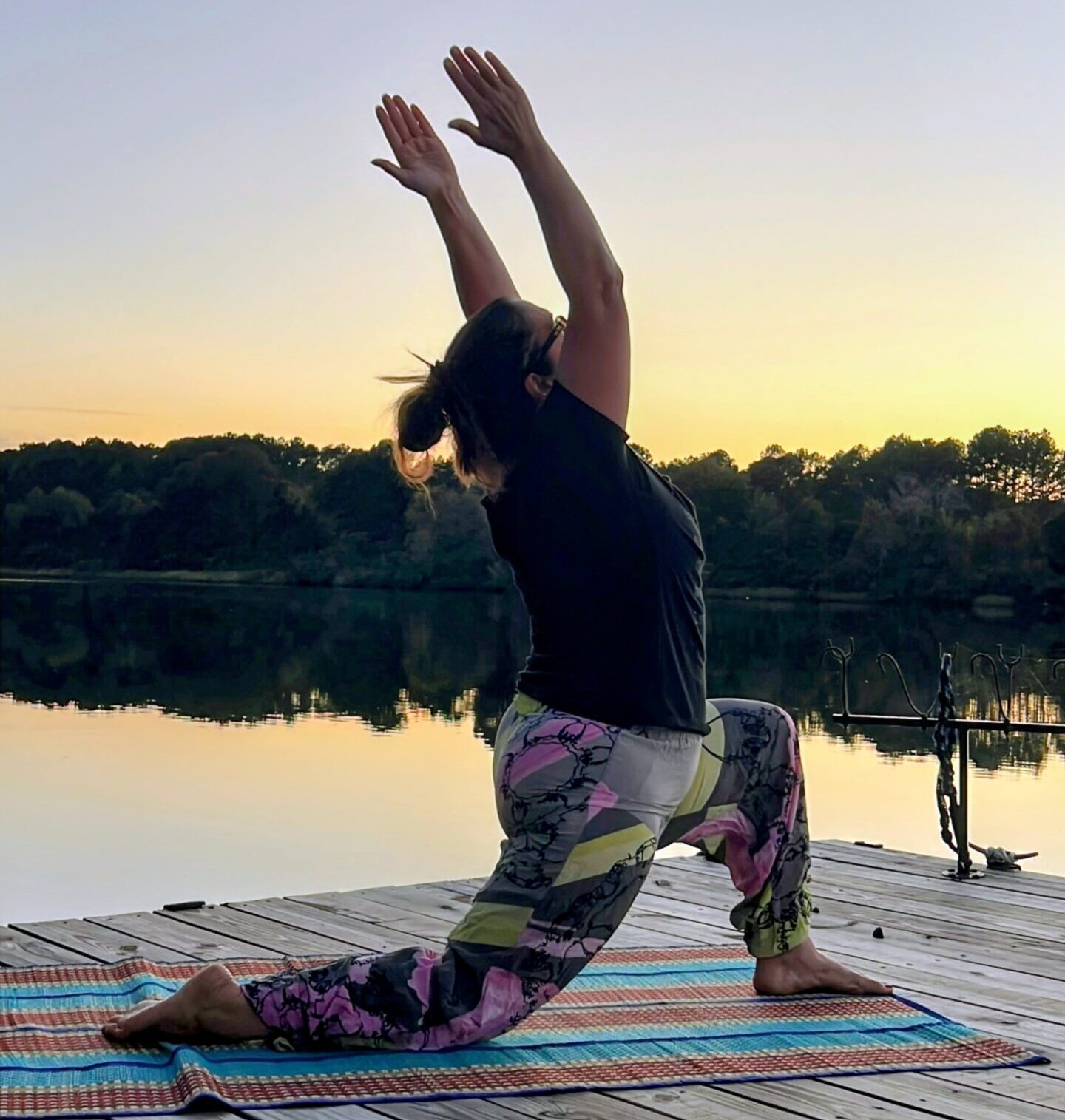
Have you ever woken up feeling stiff or sore? The worst thing you can do is nothing — or immediately reach for a pill. After my morning meditation, I like to take 5–10 minutes for a simple stretch routine that gently wakes up my body and eases any tension.
Start by taking a moment to check in. Notice where the discomfort is coming from and let that guide your movement. I begin with neck rolls, shoulder rolls, and wrist circles — all of which can be done seated or kneeling. From there, I move into a few rounds of Cat and Cow to awaken the spine, followed by Bird Dogs to strengthen and stabilize the low back.
Next, I add alternating side bends to open the side body, and finish with cross‑body arm stretches to release the shoulders and upper back. Once you’re done, pause again and notice how your body feels. Even a few minutes of mindful movement can make a big difference.
There are countless ways to build a morning stretch routine depending on your needs. This is simply a starting point — a gentle invitation to move, breathe, and reconnect with your body before the day begins.
Midday Pause
Midday Pause
Most of us work outside the home these days, and whether you spend your day standing or sitting at a desk, your body needs a moment to reset. Instead of reaching for another cup of coffee or collapsing into a breakroom chair, try giving yourself a few minutes of movement. A good stretch can wake you up just as effectively — sometimes even better — than caffeine.
If you sit at a desk, start by standing up and walking a quick loop around the office. Shake out your arms and legs, and do a few gentle wrist circles to counter all that typing. One of my favorite midday stretches is a simple shoulder opener: stand next to a wall, place your palm on it with your fingers pointing behind you, and slowly walk your feet closer until your shoulder moves toward the wall. This helps open the front of the shoulder, which often tightens from hours of leaning forward.
If you’re on your feet all day, begin with a forward fold to release tension in the back. Let your arms hang toward the floor and keep your knees bent or straight — whatever feels best — to decompress the spine. Quad stretches are great if your job involves lifting: shift your weight into one leg, bend the opposite knee, and gently draw your foot toward your glutes. For tight calves, flex your toes with your heel on the ground, or press your toes against a wall for a deeper stretch. And yes, that same shoulder‑opening wall stretch works beautifully for you too.
There are countless ways to weave movement into your day, but these simple stretches can help you stay energized, reduce tension, and avoid that midday slump. Think of it as a small act of kindness for your body — a pause that helps you move through the rest of your day with more ease.
Bedtime Unwind
One of the most common things I hear is that it’s hard to fall asleep. Many of us move at full speed right up until bedtime, leaving the body and mind no time to settle. Instead of reaching for a beer or cocktail — which often leads to restless sleep — try easing into the night with calming stretches.
I like to begin with a seated forward fold, either in bed or on the floor. Let your upper body drape toward your gently bent legs and allow the crown of your head to release. From there, poses like Legs Up the Wall, Happy Baby, and Reclined Butterfly help soothe the nervous system by elevating the legs above the heart.
Simple wrist circles, ankle circles, and gentle foot flexes can release the tension that builds up throughout the day. I also love ending with knee wipers and a soft reclined twist on each side to unwind the spine.
If your mind is still busy, listening to a Yoga Nidra recording or using a sleep‑focused app can help guide you into deeper rest.
Creating a bedtime ritual that invites your body to slow down can make all the difference. A few minutes of mindful movement can help you drift into sleep with more ease and comfort.
Simple Meals
Food don't over think it
All too often, people reach for prepackaged meals because cooking feels overwhelming. Sure, a fancy five‑course dinner is wonderful — but it’s not realistic for everyday life. Food doesn’t have to be complicated to taste good.
I cook the same way at home and while traveling because I keep it simple. Some days we’ll do burgers or brats with a salad, but most days it’s just a protein, a starch, and a veggie. I like to keep a good rotation of fish, chicken, pork, and beef, along with plenty of green veggies like broccoli, green beans, asparagus, or Brussels sprouts.
Gently steaming vegetables helps preserve nutrients, but my favorites are roasted veggies tossed in olive oil and herbs. Sheet‑pan meals are another great option for a one‑pan dinner: dice potatoes, sweet potatoes, or squash; chop veggies like Brussels sprouts, peppers, onions, and garlic; cube your meat; toss everything in olive oil and herbs; spread it on a sheet pan; cover; and bake. Easy, flavorful, and minimal cleanup.
Save the complex meals for weekends or special occasions when you actually have time to prep. For everyday eating, keep it simple and keep the food fresh. Your body will thank you.
One Pot Wonders
Crockpot or pressure cooker? Honestly, I’ve used both, and they each shine in their own way. When I worked remotely from home, I loved tossing ingredients into the crockpot in the morning and letting everything slow‑simmer all day. By dinnertime, the whole house smelled amazing.
On days when I had to go into the office, the pressure cooker became my best friend. I’d chop veggies the night before, store them in the fridge, and when I got home, everything went straight into the pot. Dinner was ready in minutes — no stress, no fuss.
Now that I’m traveling, I rely on a pressure‑cooker/air‑fryer duo, and I use it for almost every dinner. So far, I’ve made spaghetti, beef stroganoff, beef stew, masala chicken, and chili in the pressure cooker. In the air fryer, I’ve whipped up cornbread, fries, chicken wings, and roasted veggies. The possibilities are endless once you start exploring one‑pot recipes online.
If you want easy cleanup and flavorful meals without the overwhelm, one‑pot cooking is the way to go. Start simple, experiment a little, and let your appliances do the heavy lifting.
Skillet Sautés
My skillet of choice is a large cast‑iron pan. I was blessed to inherit my mom’s cast iron, and cooking in it makes every meal feel a little more meaningful. One of the best things about cast iron is its versatility — it can go straight from stovetop to oven without a second thought. It also naturally infuses trace minerals into your food, and once it’s seasoned well, the nonstick surface is unbeatable.
Cleanup is simple too. I use a chainmail scrubber with very hot water to remove anything baked on, then towel‑dry and warm it on the stove to finish drying. Easy, quick, and ready for the next meal.
Now, onto the food. Here are some of my favorite skillet meals:
- Unstuffed Cabbage Roll Skillet: ground beef sautéed with cabbage and carrots, seasoned with salt, pepper, oregano, paprika, and a splash of soy sauce.
- Chicken and Mushrooms: cooked with garlic, onion, and a quick cream sauce — perfect over rice or potatoes.
- Beef and Baby Bok Choy: onions, soy sauce, and a simple stir‑fry vibe for an Asian‑inspired dish.
- Italian Chicken or Shrimp: sautéed with garlic, cherry tomatoes, and spinach. When the spinach goes in, add a spoonful of pesto for a bright, delicious finish. Serve on its own or over pasta.
Skillet meals do require a bit more attention than set‑and‑forget cooking, but they still keep things simple, fresh, and incredibly flavorful. One pan, minimal fuss, and endless possibilities.
Hydration Reminders
Importance of Hydration
Water is at the core of who we are — quite literally. Our bodies are made mostly of water, and staying hydrated is essential for keeping everything functioning smoothly. Many professionals recommend aiming for about eight glasses of water a day, and I tend to agree. What we often forget is that hydration comes not only from what we drink, but also from the foods we eat. Fresh fruits, vegetables, and even herbal decaffeinated teas all contribute to your daily water intake.
I’ll be honest: I’m not a huge fan of plain water, but I drink it anyway. Adding a squeeze of lemon and a pinch of sea salt can turn it into a refreshing, mineral-rich drink. Low‑sugar or sugar‑free electrolyte powders can also help — brands like Nuun, Dr. Berg, and Liquid I.V. offer options that are convenient and lightly flavored. Still, simple homemade blends are often the most nourishing.
Think about the foods you enjoy that naturally hydrate you. I love fruits because they’re packed with water and the vitamins and minerals your body craves.
If you’ve ever woken up with a headache, dehydration may be the culprit. Before reaching for an over‑the‑counter pain reliever, try placing a small pinch of salt under your tongue and following it with a glass of room‑temperature water. Give it 15–30 minutes and notice how your body responds.
Hydration affects everything — energy, digestion, mood, skin, sleep, and overall wellbeing. Water is life, and staying hydrated is one of the simplest, most powerful ways to support your health every single day.
Setting up a water schedule
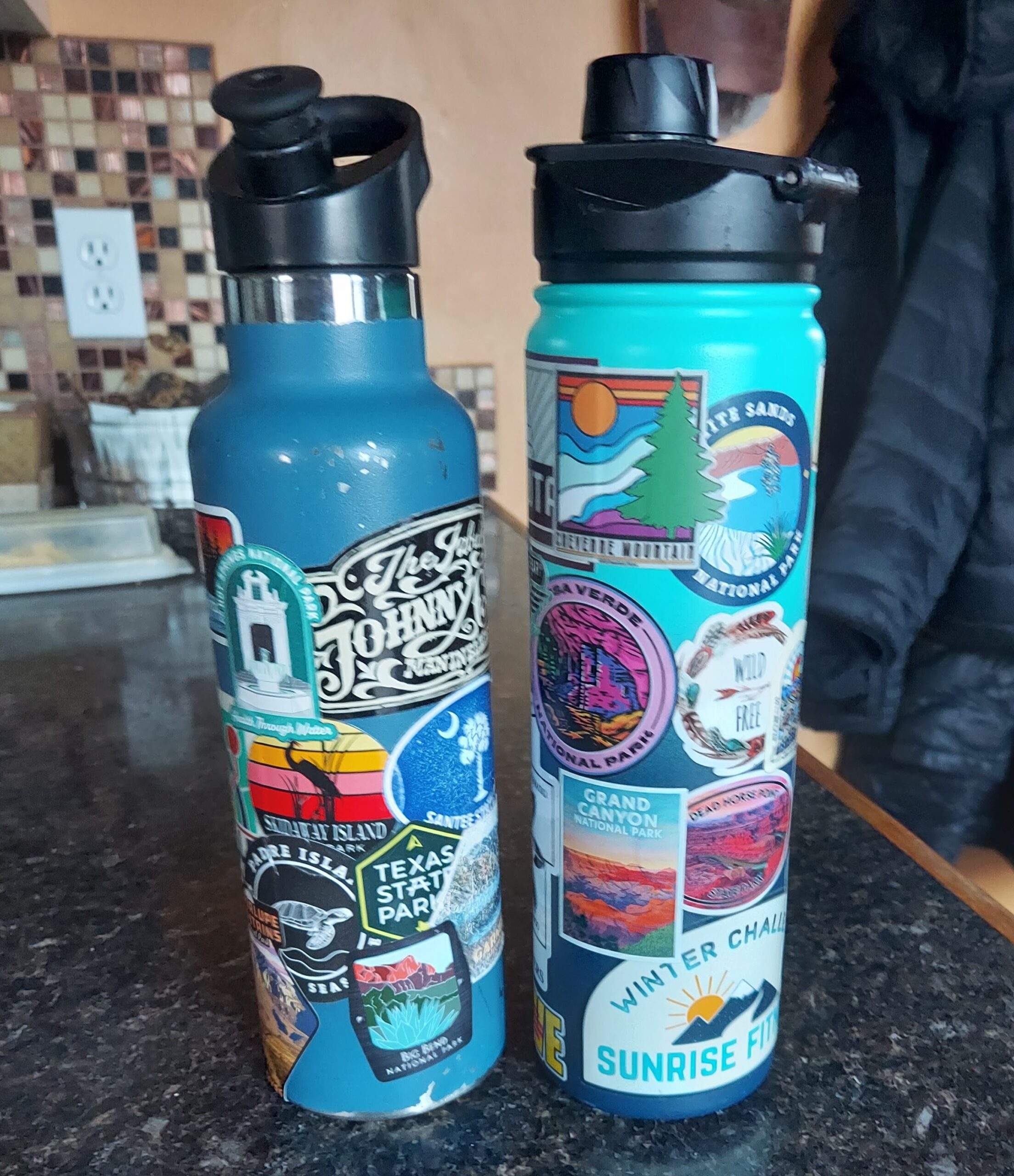
Drinking water sounds simple, and it truly can be once it becomes a habit. The key is finding a system that gently reminds you to hydrate throughout the day. Many companies sell bottles with time markings on the outside, offering a visual cue to keep sipping. These can be a great starting point, though they’re often made of plastic — something I try to avoid whenever possible.
I use a 22‑ounce stainless steel bottle and aim to drink three to four full bottles each day. Knowing the capacity of your bottle makes it easy to track your intake without overthinking it.
Another option is to explore the many apps designed for hydration or fasting reminders. They allow you to set notifications based on your natural rhythm — when you wake up, when you eat, and when you typically wind down for the night. If apps aren’t your thing, simple alarms on your phone work just as well. Consistency matters far more than the method.
Remember that your water needs can shift. On hot days or during strenuous exercise, your body may ask for more. Stay open to adjusting your intake and listen to the signals your body gives you.
Find a system that fits your lifestyle and stick with it. The goal is steady, mindful hydration — one sip at a time.
Taking water to the next level
Water is water… or so it seems. But not all water is created equal. Tap water often contains additives like chlorine, fluoride, and even trace heavy metals. While these levels are regulated, long‑term exposure is something many people prefer to minimize. A simple way to start is with a basic water filtration system.
Filters come in every price range and offer different claims about what they remove. For years, I used an affordable filtration pitcher because that’s what fit my budget — and it worked. More recently, I upgraded to a Waterdrop under‑counter four‑stage filtration system, and I love it. Other options include reverse osmosis systems and Berkey gravity countertop filters. I’m not here to say one is “the best.” The important thing is to do your research and begin where you can.
Now, let’s talk about copper water. What’s that, you say? Storing water in a pure copper vessel has been practiced for centuries. Research suggests that copper naturally purifies water through its antibacterial and antimicrobial properties. Over time, copper ions can infuse into the water, and these minerals are associated with supporting collagen formation, thyroid function, and brain health. Some people also find it helps reduce joint pain and inflammation.
For copper to work effectively, the water needs to sit in the bottle for about 8–12 hours. Moderation is key, though — too much copper can lead to toxicity, so it’s important not to overuse it. Make sure to learn how to properly clean copper and what not to store in it. Finding a high‑quality, pure copper bottle may take a little trial and error (and maybe a return or two), but the potential benefits can make the effort worthwhile.
Exploring your water options is simply another way of supporting your wellbeing. Start small, stay curious, and choose what feels right for your body and your lifestyle.