RV Tips

RV Travel Checklists
Outdoor
Every rig is a little different, but having a consistent routine makes travel days smoother and far less stressful. Here are some of the basic checks we run through before departure and again when we arrive at a new campsite.
Departure Checklist (Outdoor)
Before pulling out, we make sure everything outside the rig is secure and ready for the road:
- All exterior lights working
- Tire pressure checked
- Lug nuts tightened
- Wheel chocks stowed
- Stabilizers fully retracted
- All doors, windows, and exterior compartments secured
- Steps up and locked
- Hitch, sway bars, and stabilizers secured
- Propane turned off
- Awning fully retracted
- Electrical cord stowed
- Water hose and pressure gauge stowed
Arrival Checklist (Outdoor)
Once we reach our site, we walk through these steps before settling in:
- Camper leveled side‑to‑side and front‑to‑back
- Wheel chocks in place
- Electrical box checked for proper power before plugging in
- Water pressure gauge attached, then hose connected
- Steps down and leveled
- Stabilizers lowered fully
- Camper tongue blocked; all chains detached from the truck
- Hitch lock installed and secured
- Propane turned on
- Collapsible table set up with grill
- Lawn chairs out — relaxation begins
Final Thoughts
It may take some trial and error to figure out exactly what your rig needs, but having a clear routine — and knowing who handles which tasks — makes every travel day smoother. A little organization goes a long way toward keeping the adventure fun.
Indoor
Just like the outdoor routine, your indoor checklist will depend on your rig and your personal travel style. These lists are a great starting point — feel free to adjust them to fit your setup. I keep most of the basics in the camper at all times, so I won’t bore you with things like linens and dishes. Instead, here are the tasks that really matter on travel days.
Departure Checklist (Indoor)
- Turn refrigerator on two days before departure to ensure it’s cold and functioning
- Pack all nonperishable food when the refrigerator is turned on
- Pack cold food and bread the night before or morning of departure
- Check that all cabinet safety bars are in place
- Ensure all cabinets and drawers are closed and latched
- Place soap dispensers in sinks to prevent spills
- Secure all shower accessories
- Move knives from the magnetic rack into a drawer for travel
- Remove magnetic spice racks and place them on the counter, secured to the stove cover
- Place trash cans in the shower to keep them from tipping
- Stow TV under the bed in its box
- Lock the pocket door
- Close all roof vents
- Close all window shades
- Secure motorcycle or other “toys” in the garage
- Open appropriate vents if the motorcycle is stored inside
- Turn refrigerator off right before leaving (we don’t travel with propane on)
- Place a bucket of ice inside the refrigerator to help keep items cold during travel
- Secure the table to the wall with a bungee
- Stow the loft ladder
Arrival Checklist (Indoor)
- Turn refrigerator back on
- Remove and store cabinet safety bars
- Place trash can in the kitchen
- Mount the TV on the wall
- Return knives to the magnetic rack
- Place spices back on the stove hood
- Roll out the living room rug
- Turn on the hot water heater
- Add chemicals and 5 gallons of water to each tank
- Set out dog food and water dishes on their mats
Final Thoughts
These checklists are essential for me — they help prevent damage, lost items, and those frustrating “I forgot that again” moments. I even use sticky notes when I catch myself repeating the same mistake more than once. With a little consistency, your routine will start to run like clockwork.
And remember: things will go sideways sometimes. That’s part of RV life. Most things can be replaced, and with a solid plan in place, hopefully not too often. Have fun out there and give yourself grace along the way.
TBD
Lorem ipsum dolor sit amet, consectetur adipiscing elit. Ut elit tellus, luctus nec ullamcorper mattis, pulvinar dapibus leo.
Traveling with a Pet
Keeping your Pet Comfortable
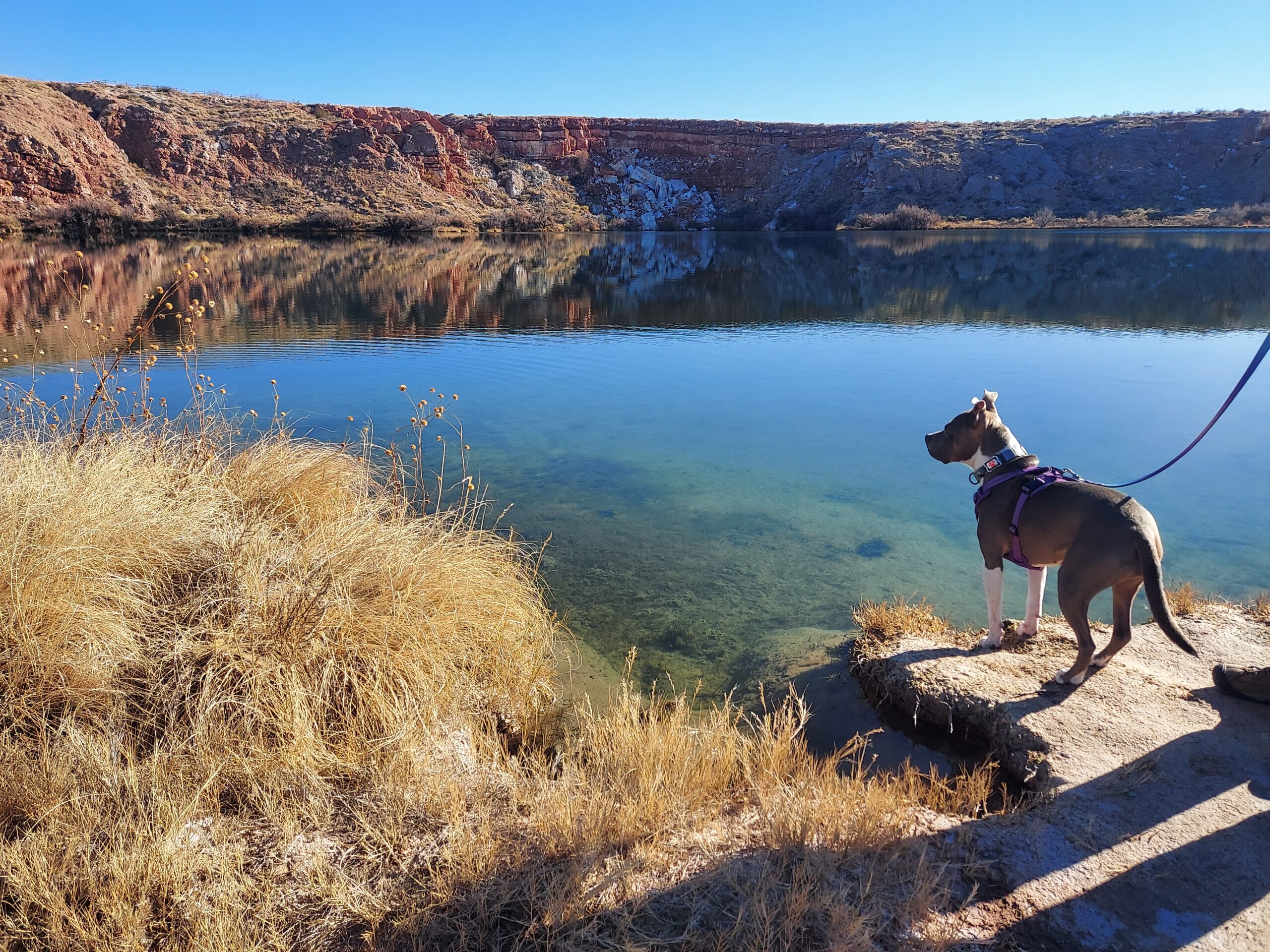
There were so many things to consider when planning this trip, and my dog’s comfort and safety were at the very top of the list. Leaving her behind was never an option, so some of our plans had to flex to make sure she could stay with us — safe, happy, and comfortable.
One of the first things I purchased was a pet monitor system for the RV that runs on 4G and doesn’t require Wi‑Fi. I chose the Waggle pet monitor, and it has worked great. It does require a monthly subscription, but my dog’s safety is worth every penny.
Because we don’t have an onboard generator or solar, I also had to make sure we could maintain climate control anytime we were parked. Cooler temps are easier since the furnace runs on propane and only needs the battery to start, but warm weather is another story — the AC requires electricity. This meant passing up some beautiful campgrounds simply because they didn’t have electric sites available. But again… my dog is worth it. With a little extra research, I was usually able to find something nearby that worked.
Next, I added a GPS tracker to her collar in case she ever slipped out. I went with the Omytag, which has a small yearly subscription fee. I tested it before we left, and it was accurate within about 20 feet. Thankfully, we’ve never needed it, but the peace of mind is priceless.
We also packed all the essentials to keep her comfortable on the road:
- her collapsible kennel
- dog bed
- cooling blankets
- travel water bowls for the truck and hiking
- refillable water bladders just for her
- doggie first aid kit
- extra harness and leash
- a handful of her favorite toys
I even brought booties for her feet, but she refused to wear them — which meant lots of burs stuck in her paws. We managed, but it was a lesson learned. We also discovered our original seat cover wasn’t cutting it, so we upgraded to a hard‑bottom version and had it shipped to a store along our route.
Finally, I can’t stress this enough: always read the pet policy at every campground before booking. I had to stop in the middle of several reservations due to breed restrictions. People often tell me to “just book it anyway,” but I’d rather avoid the risk of being turned away with nowhere to stay.
We all love our fur babies and want what’s best for them. For us, the extra effort was absolutely worth it to make sure she enjoys the adventure just as much as we do.
Boarding your Pet
Coming Soon
tbd
Route Planning
Where to Start
The first question seems obvious, but it’s the foundation of everything: Where are we going? Once you have a destination in mind, the real fun begins.
We travel by the Rule of 3’s:
- Drive no more than 300 miles in a day
- Arrive by 3 p.m.
- Stay 3 nights at your destination
This is a great starting point for new RV’ers. Three hundred miles may not sound like much, but when you’re towing a large trailer, you move slower than you would in a car—so trust me, 300 miles is a long day. Arriving by 3 p.m. gives you time to set up and make dinner while it’s still light out. You never want to be hunting for your site in the dark at a campground you’ve never visited. I’ve seen too many people back into trees or electric posts to ever want to take that chance.
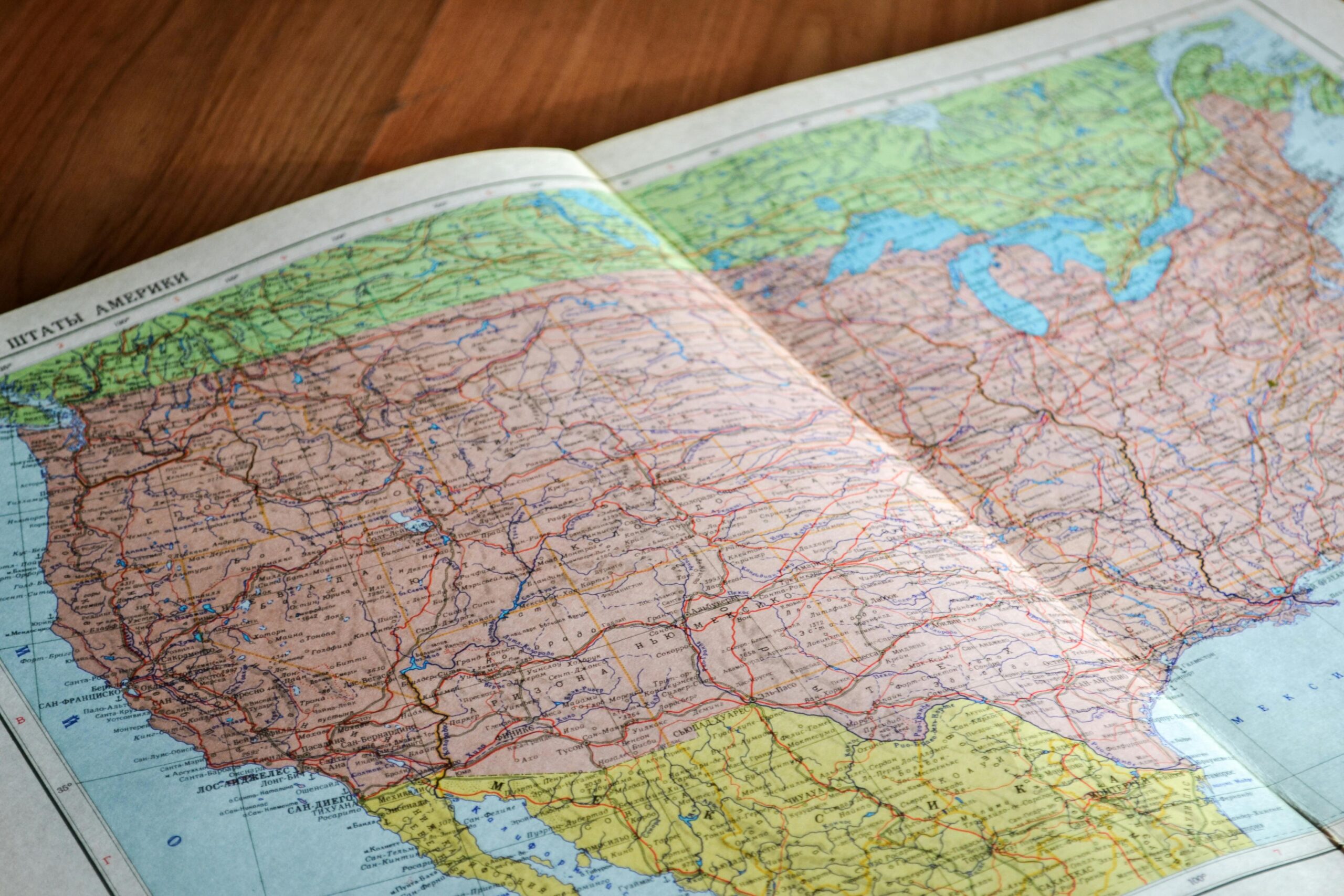
As for the “3 nights,” some people stick to it religiously. We tend to stay three nights at our destination—though honestly, it usually turns into a week. Once those rules are in place, I open my map app, plug in the destination, and break up the route accordingly. I stay flexible: one day might be 280 miles, the next 190. You get the idea.
Once I know how many travel days we need, I make sure I can secure a reservation at our final destination for the correct dates, then I book the travel‑day stops. Where you stay will influence your route, and that matters. Low bridges can ruin your day if you have to backtrack 50 miles. Keep an eye out for other obstacles too—tolls, ferries, narrow bridges, and road construction.
There are several RV‑specific route apps, like RV Trip Wizard and CoPilot, that help you avoid these issues. We drive a diesel truck and use the Mudflap app to find the best fuel prices, and it also includes a route planner. I still use Google Maps while driving, but I always double‑check our route with an RV‑friendly app to make sure we don’t end up somewhere we shouldn’t be.
Route planning takes time, but it doesn’t have to be a dreaded chore when you know where to start.
tbd
tbd
Boondocking Basics
What is Boondocking?
Boondocking is one of the most debated topics among RV’ers, mostly because it means different things to different people. For some, it’s simply dry camping—no water, no electric—whether that’s in a designated campground, a parking lot, or even a friend’s backyard. For others, boondocking means heading deep into the wilderness, far from anyone else, with zero services in sight.
To me, all of these fall under the boondocking umbrella. If you’re bringing your own water and relying on a generator or solar panels for electricity, you’re boondocking.
In my experience, the people who truly love being “out there” often travel in campervans or truck‑top campers. These rigs offer the most versatility for rougher roads and remote locations. But boondocking isn’t only for the off‑grid purists. We often stay in places without services simply for convenience and cost efficiency during back‑to‑back travel days.
So don’t let the term boondocking intimidate you. If you’re open to trying something a little different, it can be incredibly rewarding—peaceful, flexible, and surprisingly fun.
BLM Land
What exactly is BLM land? The Bureau of Land Management—an agency within the U.S. Department of the Interior—oversees roughly 245 million acres of public land, primarily in the western United States. These lands serve many purposes: conservation, mining, energy development, livestock grazing, and of course, public recreation.
For our purposes, let’s focus on the recreation side—hiking, fishing, boating, and the ever‑popular dispersed (and free!) camping.
What to Expect
- Open Access: About 99% of BLM land is open to public use at no cost. Some activities may require a permit, so checking their website ahead of time can save you headaches.
- Remote & Rugged: These areas often take you far from crowds and services. Roads are typically dirt, minimally maintained, and can get rough quickly.
- 14‑Day Rule: Most locations allow you to stay for up to 14 consecutive days before you need to move on.
- Unmarked Sites: Camping spots are usually simple turnouts off the main road. Some are marked, many are not—so a little research goes a long way.
A Word on Access
We didn’t end up camping on BLM land ourselves, but we explored plenty of the access roads. Many were rougher than we were comfortable towing our camper through. A common piece of advice—one I fully agree with—is to scout the area in your tow vehicle first. It can save you from getting stuck or having to backtrack miles on a narrow, rutted road.
Trails & Recreation
In Utah, we found many BLM hiking trails to be just as beautiful as those in the National Parks, but with far fewer people. There are also countless off‑road routes for UTVs, offering access to remote areas you simply can’t reach by car.
The Bottom Line
BLM lands offer incredible freedom and adventure for those willing to explore a bit off the beaten path. Whether you’re hiking, off‑roading, or seeking a quiet dispersed campsite, these public lands provide a wealth of free, wide‑open options for the adventurous traveler.
tbd

Budget Hacks
Saving Money, Why not save where you can
I’ve always been a thrifty shopper in every part of life. If there’s a discount card, coupon, or promo code to be found, I’m in. On the road, those little savings really add up.
We use a fuel discount app called Mudflap for diesel purchases, Harvest Host for single‑night stays, and a handful of membership programs like GoodSam, KOA Rewards, and AARP. Many state parks also offer discounts when you purchase an annual pass, and others have reduced rates for seniors, first responders, or military members.
One thing I quickly noticed while booking sites is how much the type of site affects the price. If we’re staying less than a week, choosing a water‑and‑electric site instead of full hookups saves us a surprising amount.
A yearly National Park Pass has also been a huge money saver—we’ve visited 16 National Park sites this trip alone.
Don’t forget the free options: boondocking (from my earlier article) costs nothing, and “mooch‑docking” at family or friends’ homes is another great way to stretch your budget. We stayed in the driveways of family members in Missouri, Georgia and Colorado—over three weeks of free camping. At an average of $40 a night, that’s a massive savings.
I’ve even signed up for several grocery store discount cards just to shave a little extra off our food bill.
The key is to stay open to opportunities: sign up for discount cards, look for promo codes, use digital coupons, and take advantage of stays with friends or family when you can. A little effort goes a long way when you’re traveling full‑time
Our Cost Breakdown
Coming Soon
tbd
Gear Recommendations
Less is More
We’ve been RV camping for nine years, and going into this extended six‑month trip I thought I knew exactly what gear and clothing I needed. Yikes—did I ever miss the mark. What I learned quickly is that the things I reached for most were multipurpose, compact, and easy to layer. The “nice outfits” for going out to dinner? I needed one, not three.
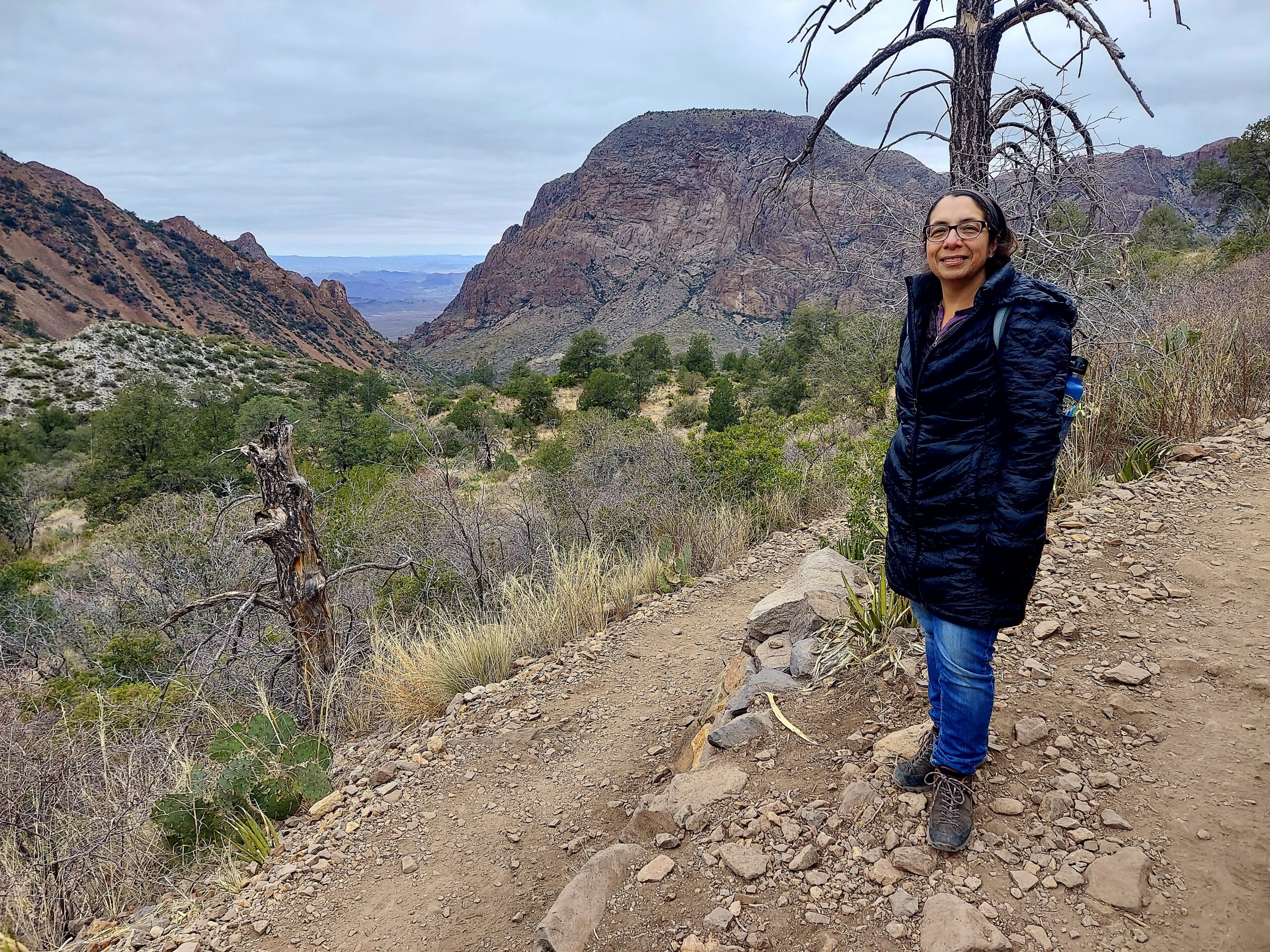
Prepare for all weather—especially cold. We both ended up needing winter boots thanks to unexpected snow, and we had to buy a puffer jacket for him and a raincoat/windbreaker for me. As for footwear, good hiking boots made all the difference on the trail, and comfy slippers were essential for relaxing at the end of the day. And don’t forget shower shoes—your feet will thank you in those campground bathhouses. I brought three pairs of sandals and wore one pair the entire time.
We each carried a water bottle, but I didn’t realize mine didn’t seal well until it dripped through several hikes. That earned me a replacement pretty quickly. We also each carry a backpack—his large, mine small—for shorter daily hikes. They hold snacks, water bottles, and a basic first aid kit. For longer hikes, we bought hydration backpacks with a 2‑liter capacity. They carry everything we need, including snacks and first aid supplies.
A first aid kit is non‑negotiable for me. You never know what might happen on the trail, and I’d rather be prepared than stranded.
I did bring warm blankets, stored in vacuum bags under the bed, and they were perfect when we needed them.
Where I really miscalculated was clothing. I packed way too many workout clothes, jeans, hoodies and not nearly enough warm socks. Since weight matters in a camper, I’ll be cutting my gear down by at least a third next winter and choosing what I bring with a lot more intention.
Camper Gear
Coming Soon
Activity Gear
Coming Soon